


Loading...



Explore stories and insights
Loading...


 13
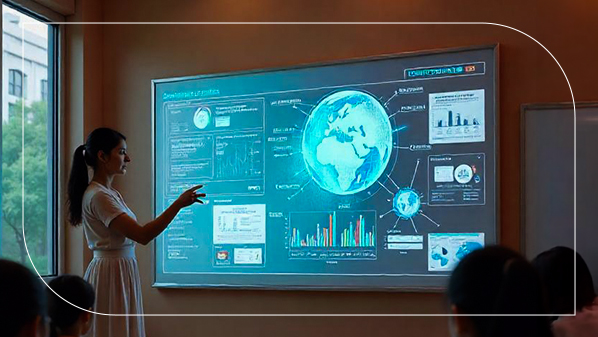
Technology has been serving to augment education. But as we adopt smartboards, tablets, web-based learning interfaces, etc, it is all the more necessary that we do not sacrifice true human interaction in light of these advancements. What is necessary is finding the perfect balance, particularly for an English medium school in Fulbari that holds intellectual growth and emotional growth in high regard. The Blend of Tradition with Technology Technology has changed the means of knowledge access by the students. With the advent of virtual laboratories and learning applications, contemporary tools have made learning more effective and interesting. Still, in an English medium school in Fulbari , the essence of human touch remains at the core of pedagogy. Promoting the use of educational technology always keeps the teacher's role as the primary guide in mentoring and inspiring the learners. Our classrooms make use of digital tools to enhance and not as a substitute for instruction. Educators still facilitate discussion and reply with understanding. This dynamic mix of the old and the new is a boon that helps students enjoy both worlds at the same time. They have access to current resources while developing strong relationships with their teachers and classmates. Creating a Collaborative Environment Collaboration is at the centre of learning, and no device can replace the emotional intelligence that comes from human contact. In one of our English medium schools in Fulbari , technology is employed to facilitate collaboration and not isolation of learners. We leverage group projects and peer-to-peer mentoring, usually facilitated through digital platforms but always rooted in real-time communication. Video conferencing and shared documents enable the students to work together without the confines of the classroom. These resources can only be facilitated by the guidance of a teacher who maintains an emphasis on teamwork and mutual responsibility. By integrating technology into our cooperative exercises, we teach students to speak concisely and assist each other; abilities that we must live by outside school. Fostering Emotional Intelligence in a Digital Age With increased access to screens and devices, fears of lower emotional intelligence among young students have increased. This is why an English medium school in Fulbari gives high priority to social-emotional learning. Technology aids our mission through mindfulness apps and online counselling platforms, but the human touch continues to stay central. Students are supported to learn by teachers who have been taught to notice and react to students' emotional needs. Pastoral care and face-to-face counselling are pillars of our school culture. We also invite students to participate in extracurricular activities like drama, music and sports, all of which promote face-to-face contact and emotional expression. In a world where electronic communication may take over from human interaction, we make a conscious effort to preserve strong human bonds. The parent-teacher conferences and collaborative learning activities are routine sessions of face-to-face human engagement and relationship-building. These make a conscious effort to ensure that students develop not just academically but also as empathetic, self-aware human beings. Technology, if applied wisely, may improve the learning experience without losing the human touch. At an English medium school in Fulbari , we recognise that screens can never take the place of smiles, and apps cannot substitute for empathy. Our strategy is to combine the best of both world where we utilise digital mediums to provide enriched learning while ensuring relationships and emotional development remain central to education. By thoughtfully managing our use of technology, we attempt to prepare our students not just for exams but for life. In this way, schools are more than schools; they are a community where humanity and technology go hand in hand. Additional Reading: Creating Future Leaders: Narayana’s Focus on Student Voice and Choice Top Skills Students Need in 2025 and How We’re Preparing Them Today?
 24 Jun 2025
 13
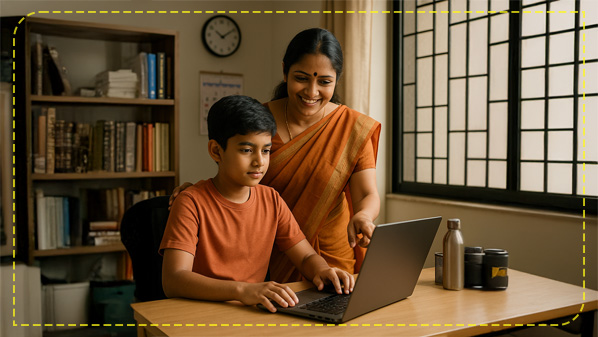
In the wake of the digital age and recent global shifts towards remote education, the role of parents has become vital in their child's academic success. Supporting remote learning requires proactive involvement, understanding and patience. For parents in Siliguri, finding an affordable school with quality education in Siliguri that adapts well to remote learning platforms is essential. Establish a Consistent Routine Children thrive on routine, especially when learning from home. Having a predictable routine helps children stay organized and reduces anxiety about remote classes. When choosing an affordable school with quality education in Siliguri , ensure that the school emphasizes structured schedules, which facilitate effective remote learning. A specific spot in your household like a quiet corner in your home can serve the purpose of a dedicated learning area. This space demands to be devoid of distractions and equipped with necessary supplies like pens, notebooks and a stable internet connection. An organized environment fosters focus and discipline. When selecting such an educational institution, look for those offering comprehensive support and resources for students engaging in remote education, which is often a hallmark of the affordable school with quality education in Siliguri . Stay Engaged and Communicate Regularly Parents should maintain active communication with teachers and school authorities. Join virtual parent-teacher meetings, ask questions when necessary and keep up to date with your child's performance. These actions tell children that their learning is important and incentivize them to remain engaged. When thinking about how to select the most appropriate best CBSE school in Siliguri , give precedence to schools that have open communication channels, which are critical for the success of remote learning. Remote education heavily relies on technology. Ensure your child's devices are functioning properly, software is updated, and internet connectivity is stable. While you are searching for an affordable school with quality education in Siliguri choose a school that provides technical support and training ensuring seamless online classes. While parental supervision is important, fostering your child's independence is equally vital. Teach them to manage their homework, organize their study materials, and adhere to schedules. Developing these skills prepares them for future self-directed learning . When evaluating schools, look for those that encourage personal responsibility and independence, which are often features of the affordable school with quality education in Siliguri . Support Emotional Well-being Remote learning can sometimes feel overwhelming and lead to a sense of isolation or frustration. Incorporate fun activities ensure sufficient rest, and promote physical activity. Schools that focus on holistic development academic, emotional and social are ideal. In Siliguri, many affordable schools with quality education in Siliguri now include support systems like counseling and extracurricular activities even during remote learning phases. While on the subject, the question of how to choose the best CBSE school in Siliguri stand crucial and debatable. While searching for alternatives, look at curriculum quality, staff expertise, infrastructure, extracurricular activities, and parental opinions. Also, give preference to schools that support efficient remote learning, considering the present scenario. Look into whether the school offers online platforms, electronic learning material, and training for teachers to teach online. Conclusion Parental support is the key to effective remote education. By creating schedules and keeping in touch and keeping emotional needs a priority, parents can play a huge role in making their child's remote education more effective. For Siliguri families, having an affordable school with quality education in Siliguri that offers such programs makes a big impact. Addiional Reading: The Role of Mindfulness and Meditation in Everyday School Life Fostering Leadership and Communication Through Co-curricular Activities
24 Jun 2025 12
Artificial intelligence and convenience are turning out to be the driving forces that are transforming sectors. The function of education is also changing dramatically. Historically, educational establishments focused on hard skills, definable, learnable skills such as mathematics, coding, accounts, science, etc. But as computers increasingly take over technical tasks, human skills like communication, empathy, flexibility, and teamwork are rising to prominence. These so-called "soft" skills are becoming integral parts of a balanced education, and international schools with personalised education are at the forefront of this learning change. The Evolving Needs of the Future Workforce The working environment of the 21st century no longer promises success solely based on academic ability. Employers today look for people who are able to deal with complexity and work well with others as team players. These skills are not necessarily imparted through conventional teaching methods that are solely based on textbooks and testing. Consequently, schools across the globe are rethinking their strategy for learning and development. International schools with personalised education are now embracing curricula that infuse daily learning with soft skills. Students are being taught to engage in group work and examine their emotional reactions while making open-ended investigations. This prepares them for university entrance and for life outside the classroom, where the capacity to work together and lead may be more decisive in career success than technical proficiency. Why Soft Skills Deserve Centre Stage? Soft skills are often mistakenly assumed to be secondary or additional to the fundamentals of academic learning . They are actually the cement that bonds technical skills together. Think of an outstanding engineer who does not possess the skills to articulate a thought clearly or a proficient programmer who is incapable of collaboration within a group. In either scenario, their ultimate value is greatly diminished. With this new era comes the emphasis by employers on emotional intelligence and a growth mindset every bit as much as technical acumen. What distinguishes international schools with personalised education is their capacity to recognise and cultivate these qualities in every student. Customised learning experiences address individual requirements, talents, interests, etc. Empowering students to build confidence and social competencies in real and meaningful terms is extremely essential. Student conferences and community projects are some examples of exercises which provide tangible platforms for honing these essential skills. The Gateway to Holistic Development The embedding of soft skills into the educational fabric is not just limited to sporadic lessons or workshops. It revolves around a paradigm change in the long standing perspective of success and learning. This is where international schools with personalised education play an active role. Their student-centred models foster a well-rounded understanding of success, one that incorporates emotional intelligence and ethical decision-making along with academic achievement. Instructors these days serve as mentors and not just teachers. They lead the students through discovery and empower them to assume ownership of their learning experience. Navigating through this process helps the students become more motivated and better equipped to deal with challenges in the real world. The focus on feedback and reflection reinforces the very abilities that leave lasting traces in both personal and professional life. Promoting diverse and inclusive environments helps these best schools in khidderpore enable students to be exposed to other cultures and ways of thinking, thereby developing their empathy and global consciousness. Such experiences are crucial in developing reflective, well-rounded people who can function effectively in multicultural environments and international work settings. The educational paradigm is seeing a shift in this modern day era. Soft skills are much more than a nice-to-have trait; they are a must. International schools with personalised education are integrating them into the learning process. By so doing, they're helping to prepare students to not only pass exams but to thrive in life. Additional Reading: Why Parental Involvement Is Key to a Child’s Education? Top Study Techniques That Actually Work for CBSE Students
24 Jun 2025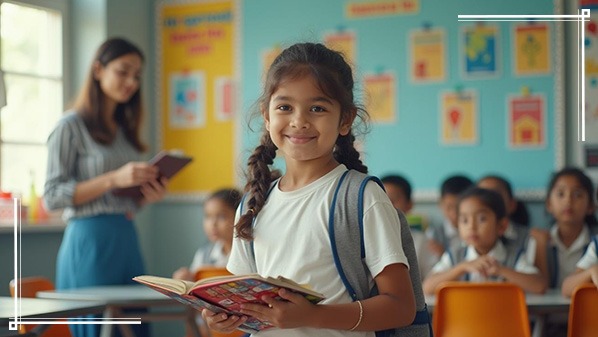 13
Education today is no longer confined to academic achievement alone. In a rapidly evolving world, the ability to think critically, solve problems, collaborate, and adapt is just as important as scoring marks in exams. To address this need, the Central Board of Secondary Education (CBSE) introduced the Continuous and Comprehensive Evaluation (CCE) system — a modern, child-centred approach that ensures well-rounded development. At the best CBSE school in West Bengal , this system is more than just a guideline; it is the backbone of the institution's academic philosophy. Let's explore what CCE entails and the key benefits it offers to students, parents, and educators. What is Continuous and Comprehensive Evaluation (CCE)? CCE is an evaluation system that aims to assess all aspects of a student's development continuously throughout the academic year. It focuses on both scholastic areas (such as languages, mathematics, and sciences) and the co-scholastic domains (including life skills, attitudes, values, sports, and creative arts). Rather than relying solely on one-off exams, CCE employs a combination of formative assessments (ongoing, classroom-based activities) and summative assessments (term-end exams) to gauge a child's progress. The goal is to reduce stress, encourage learning, and offer constructive feedback that helps students grow consistently. Key Benefits of CCE in CBSE Schools 1. Reduces Exam Stress Traditional education systems place a high amount of pressure on year-end examinations. CCE replaces this high-stakes approach with frequent, low-pressure assessments , allowing students to focus on learning rather than just scoring. At the top CBSE school in West Bengal , teachers utilise quizzes, projects, group discussions, and peer reviews as tools to assess students regularly. This reduces anxiety and builds a healthier attitude toward academics. 2. Holistic Development of Students CCE evaluates both intellectual and personal growth . Apart from academics, it takes into account a child's communication skills, teamwork, emotional intelligence , and moral values. These co-scholastic evaluations are vital for preparing students for real-life challenges. A top CBSE school ensures that activities such as debates, art competitions, community service, and physical education are seamlessly integrated into the academic calendar, allowing each student to excel in multiple areas. 3. Promotes Regular Study Habits Because assessments are conducted continuously, students are encouraged to stay consistent in their studies. This prevents last-minute cramming and fosters a deeper understanding of subjects. At the best CBSE school in West Bengal , students receive weekly feedback, enabling them to identify gaps early and take timely action — a habit that fosters discipline and academic responsibility. 4. Focuses on Individual Learning Styles CCE is flexible, enabling educators to tailor their teaching methods to individual learning patterns. Every child learns differently — some excel with visual aids, others through hands-on activities or storytelling. Progressive CBSE schools implement differentiated teaching techniques as part of the Continuous and Comprehensive Evaluation (CCE) framework, making education more inclusive and effective for all students, regardless of their abilities or learning pace. 5. Encourages Creativity and Innovation With CCE, assessments are not restricted to pen-and-paper tests. Students are often evaluated through creative assignments, model-making, presentations, story writing, science experiments , and other similar activities. This method not only makes learning enjoyable but also allows students to think independently, explore ideas , and become innovative thinkers — a trait highly valued in today's world. 6. Improved Teacher-Student Relationship The continuous nature of CCE ensures that teachers closely track each student's progress, understanding their strengths and challenges. This leads to more personalised attention and a stronger emotional connection between students and educators. At the best CBSE school in West Bengal , parents frequently receive detailed progress reports and interact with teachers to jointly support their child's development, creating a strong academic partnership. 7. Provide timely and Constructive Feedback One of the strongest features of CCE is its feedback mechanism . Rather than waiting for year-end report cards, students receive immediate feedback after every task or test, helping them reflect, improve, and move forward. This approach fosters a growth mindset , where students are not afraid to make mistakes but see them as learning opportunities. 8. Lays the Foundation for Lifelong Learning CCE instils habits such as self-assessment, time management, collaborative learning, and critical thinking. These are not just academic tools — they are life skills. The top CBSE schools in West Bengal ensure that these values are embedded in day-to-day learning, preparing students to succeed in higher education, careers, and personal life. Conclusion The Continuous and Comprehensive Evaluation system is a bold step forward in creating education that genuinely serves the child — not just the system. It nurtures curiosity, values consistent effort, and appreciates a student's uniqueness. If you're searching for the best CBSE school in West Bengal , ensure that it follows the CCE framework in both spirit and practice. Because the right school doesn't just prepare your child for exams — it prepares them for life. Additional Reading: How are Expat Students Treated in Narayana? How Can Smart Classrooms in CBSE School in Durgapur Shape a Student?
22 Jun 2025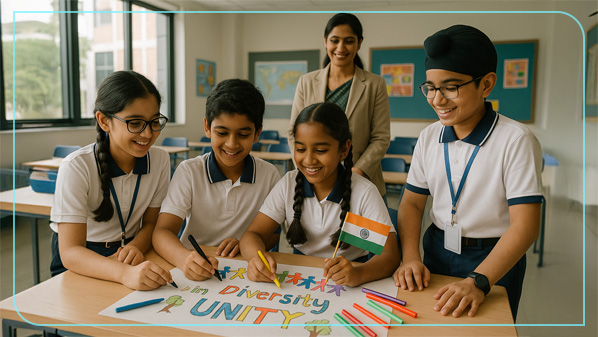 13
In an increasingly globalised world, schools are not just centres of academic learning but also vital grounds for cultivating values like empathy, unity, and acceptance. One of the defining characteristics of CBSE (Central Board of Secondary Education) schools across India is their commitment to diversity and inclusivity. These values are crucial in shaping responsible and compassionate citizens. Why Diversity Inclusion Is Important? For parents seeking a well-rounded education for their children, these values are often a deciding factor. This is why choosing the best CBSE school in West Bengal isn't just about academic rankings — it's about finding a place where every child feels seen, heard, and celebrated. A Curriculum that Encourages Open-Mindedness The CBSE curriculum goes beyond textbooks. It actively promotes a spirit of inquiry, discussion, and reflection, enabling students to explore cultures, histories, and identities that differ from their own. Topics such as constitutional rights, secularism, gender equality, and social justice are embedded into the curriculum, sparking classroom conversations that challenge stereotypes and foster understanding. In the best CBSE schools in West Bengal, these themes are often further explored through project-based learning, community outreach, and school-led initiatives that bring together students from diverse backgrounds. Language as a Bridge India's linguistic diversity is vast, and CBSE schools honour this by offering multiple language options — including Hindi, English, Sanskrit, and regional languages. By encouraging multilingual proficiency, students not only expand their cognitive abilities but also learn to appreciate the rich cultural mosaic around them. Furthermore, regular language celebrations — such as 'Bhasha Diwas' or International Language Days — help students value linguistic diversity and learn to respect cultures different from their own. Many English medium schools in West Bengal include such celebrations in schools. Festivals and Celebrations: Learning Through Shared Joy One of the simplest yet most effective ways CBSE schools promote inclusivity is through celebrating a wide range of festivals — from Diwali and Eid to Christmas, Pongal, Guru Nanak Jayanti, and more. These aren't just ritual observances; they are educational experiences where students learn about the origin, values, and traditions behind each celebration. The best CBSE school in West Bengal often organises cultural assemblies, food fairs, costume days, and storytelling sessions to immerse students in the traditions of their peers. This not only fosters appreciation but also helps reduce biases and build friendships across cultural lines. Inclusive Classrooms for Students of All Abilities Inclusivity also means creating space for students with different learning needs and physical abilities. CBSE schools are increasingly adopting inclusive education models by training teachers in special education, integrating assistive technologies, and modifying classroom strategies to support diverse learners. In some of the top-performing CBSE schools in West Bengal, students with learning disabilities or neurodivergent conditions like ADHD or autism are provided with Individualised Education Plans (IEPs). These ensure they can thrive alongside their peers and participate in all aspects of school life, from academics to extracurricular activities. Extracurricular Platforms That Celebrate Individuality CBSE schools place equal importance on extracurricular activities, including music, dance, theatre, debate, art, and sports. These platforms act as equalisers, allowing students from all backgrounds to collaborate, express themselves, and shine. For instance, inter-house competitions in the best CBSE school in West Bengal are designed not just to reward excellence but also to encourage participation, teamwork, and mutual respect. Talent is recognised regardless of caste, religion, or economic background — reinforcing the idea that everyone has something valuable to contribute. Anti-Bullying and Sensitisation Programmes CBSE guidelines strongly encourage schools to implement anti-bullying measures and mental health sensitisation workshops . By cultivating safe spaces and open channels of communication, students are taught to support — not shame — their peers. Some schools take it a step further by establishing Diversity Councils or Peer Mentoring Groups that actively promote the values of inclusivity, resolve conflicts, and lead awareness campaigns. This type of student-led engagement helps build a school culture where differences are not only tolerated but also respected and celebrated. Parent-School Collaboration: A United Front Creating an inclusive environment isn't solely the school's responsibility. CBSE schools often involve parents through orientations, cultural evenings, and sensitisation workshops. This encourages families from different backgrounds to interact, collaborate, and become part of a shared community. The best CBSE schools in West Bengal often set the standard in this regard by fostering a school culture where diversity isn't a challenge to overcome, but a strength to be embraced. Conclusion In a country as diverse as India, the classroom can be one of the first places where children learn to engage with differences in a meaningful and respectful manner. CBSE schools, with their inclusive curriculum, diverse student bodies, and progressive teaching practices, are at the forefront of this transformation. Choosing the best CBSE school in West Bengal means selecting a space where your child is nurtured not just academically, but also socially and emotionally, growing up to be someone who values unity in diversity and can lead with kindness, respect, and integrity in an interconnected world. Additonal Reading: How to Prepare Yourself Before a New Session Begins? Shaping Physical Health with International Schools with Sports Facilities in Kolkata
22 Jun 2025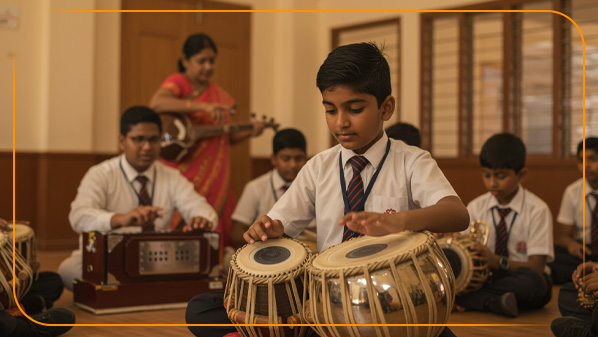 13
In the fast-changing era of education, the focus is also changing from mere rote learning to a more holistic process where every element of a child's personality is developed. This process, termed as holistic child development school Rishra , focuses on developing the emotional, social, physical, and intellectual aspects of a child's personality. As parents and educators are realizing the significance of a well-rounded education, the incorporation of holistic development is becoming a backbone of contemporary education. The Significance of Holistic Development in Shaping Future Citizens Holistic development seeks to create well-rounded individuals who are not just scholastically qualified but are also emotionally aware and socially committed. These days, qualities like empathy, flexibility, communication, and leadership are as important as academic qualifications. Schools that emphasize holistic child development school Rishra comprehend this requirement well. In addition, these schools encourage extracurricular activities, sports, arts and community service giving students an abundance of opportunity to explore their interests and talents. Benefits of a Holistic Approach in Educational Settings Implementing holistic development strategies in schools ensures the overall growth of a child. Scholarly achievement remains important but is complimented by emotional well-being and social skills. Children, say, learn to manage stress, feel for others, and work together, all necessary in their profession and life. A holistic child development school Rishra actively encourages inclusivity in the environment where diversity is celebrated and each child’s unique qualities are recognized and nurtured. Such schools dedicate resources to developing physical health through sports and physical education, mental health through counseling and mindfulness programs, and cognitive abilities through innovative teaching methodologies . Additionally, modern schools in Rishra that follow a comprehensive curriculum often incorporate advanced facilities such as CBSE school with modern labs in Rishra . The Role of Modern Facilities in Supporting Holistic Development A CBSE school with modern labs in Rishra exemplifies how technological integration supports experiential learning—an essential component of holistic education. Modern labs equipped with the latest tools enable students to engage actively with scientific concepts, encouraging inquiry and innovation. This experiential style of education not only makes learning more interesting but also develops confidence and problem-solving abilities. When these facilities are supplemented with a curriculum that focuses on emotional and social development, the outcome is an environment of nurturing that helps children excel academically, physically and emotionally. In addition, access to higher resources reflects a school's devotion to a balanced upbringing. It indicates that the school cares about bringing up students for examinations as well as for life. This is in tune with the philosophy of holistic child development school Rishra , where comprehensive development is a priority. Conclusion In summary, holistic child development school Rishra plays a crucial role in the development of the children who are well acquainted to deal with the challenges of the contemporary world. Through the combination of emotional intelligence, utilitarian skills and intellectual excellence, such schools provide a solid foundation for a successful future. The addition of CBSE school with modern labs in Rishra illustrates how schools are changing to fulfill these complete requirements. With education constantly changing, parents and teachers should ensure that they give more importance to overall growth so that children develop into confident, empathetic, and capable individuals. Addition Reading: Unlocking Student Potential at Rishra Schools Offering CBSE Curriculum From Discipline to Leadership: How Boarding Schools in Rishra Shape Young Minds
19 Jun 2025