
Loading...

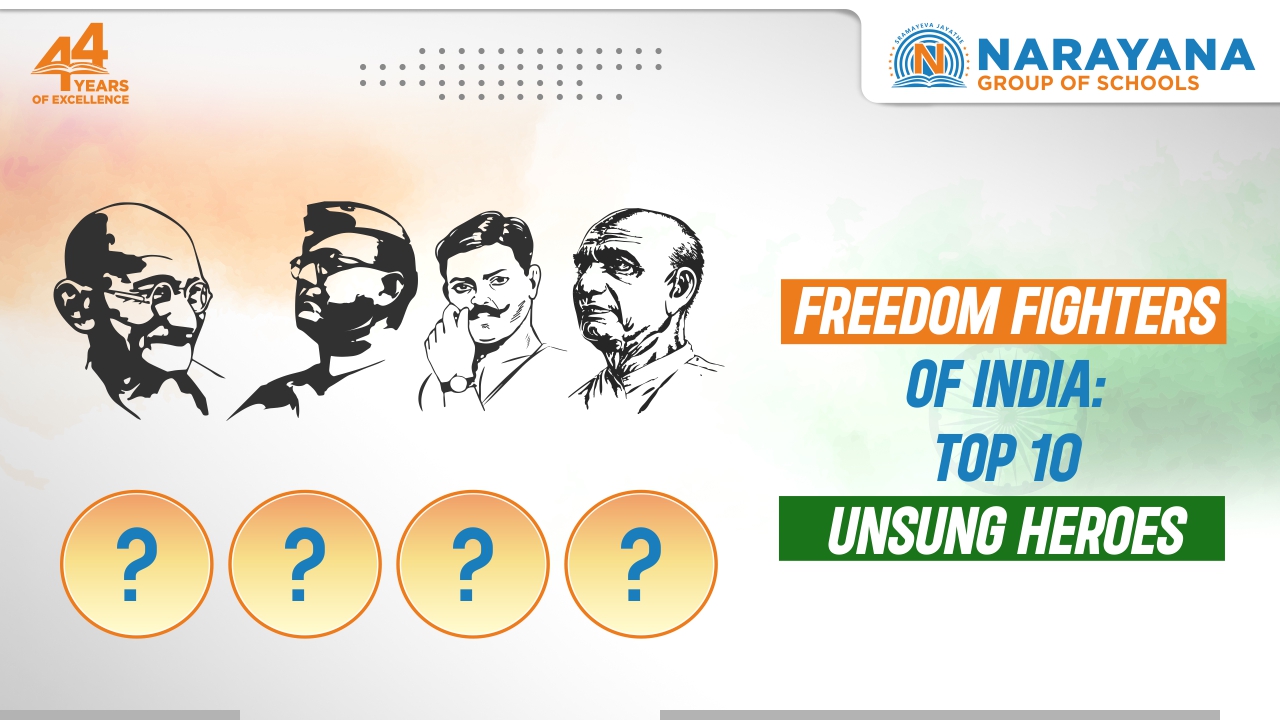
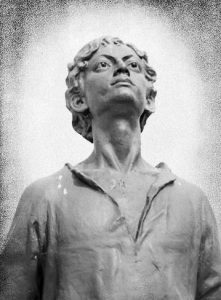 Khudiram Bose was only 18 when he was hanged, making him one of the youngest Indian revolutionaries to be executed by the Britishers. Inspired by Aurobindo Ghosh and Sister Nivedita and affected by the partition of Bengal, he became an active revolutionary. He was just 15 at the time of his first arrest.
He learned to make bombs and used to plant them to target British officials.
Finally, on August 11, 1908, Khudiram was sentenced to death for an attempt to assassinate Douglas H. Kingsford, the then Chief Presidency Magistrate of Calcutta. His sacrifice was so inspirational that his story is now popular folklore in West Bengal but little known outside the state boundaries.
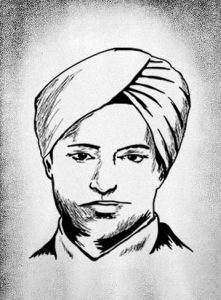 Unknown to many, Kartar Singh Sarabha is another very influential freedom fighter of India. His story inspired many revolutionaries, including Bhagat Singh. Kartar Singh was in his teenage years when he joined the Ghadar Party, which was formed in Oregon, USA by Punjabi expatriates with the aim to overthrow the British from India.
He returned to India to organise soldiers against the British. He was captured before any revolt was executed for conspiring against the British Raj. He was only 19 when he laid down his life in the service of the nation.
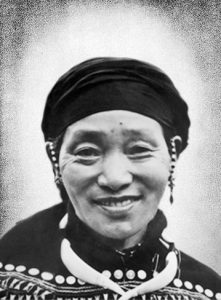 Rani Gaidinliu was born only as Gaidinliu in present-day Manipur. Her revolutionary journey started at the young age of 13 with the Heraka Movement. The Heraka movement was a socio-religious movement against the British clergy who aimed for the religious conversion of the Naga tribes.
The movement also wanted Naga self-rule. Gaidinliu soon became the spiritual leader of the movement. She began protesting the British Raj, enjoined her tribe to speak out, and organised guerilla strikes against the British army because of which she received life imprisonment and was released only after India gained freedom. The title ‘Rani’ was given to her by Jawaharlal Nehru.
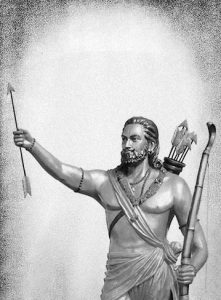 Thanks to the popularity of S.S. Rajamouli’s RRR, people outside the Telugu-speaking states are now aware of this name. But the actual story of Alluri Sitarama Raju, a sanyasi and a tribal leader, is still unknown to many. He was the leader of the Rampa Rebellion, a tribal revolt in the Godavari region of present-day Andhra-Pradesh.
He used guerrilla warfare techniques to attack and raid police stations for arms and ammunition. He had strong tribal support and his strategies made him hard to locate. The British announced a prize of 10,000 Rupees for his capture. He then surrendered to the police to save the tribesmen from torture and misery.
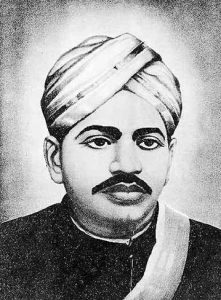 Vallinayagam Olaganathan Chidambaram Pillai's contribution to the independence struggle is unique in the sense that apart from organising marches and strikes and fighting legal battles for the poor, he also challenged the British economically by launching the country’s first shipping service, the Swadesh Steam Navigation Company, which used to run ships between Tuticorin and Colombo.
He had the utmost respect of the local population. He was tortured by the British in the jail; his shipping company got taken over; and his title of barrister was snatched. He spent his last days in poverty, writing commentaries and compiling old Tamil texts. He was given the title of Kappalottiya Tamizhan (The Tamil Helmsman).
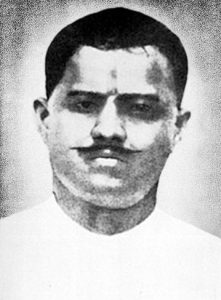 You may have heard his famous poem, ‘Sarfaroshi ki tammana, Ab hamare dil me hai’, but you may not necessarily know the revolutionary who wrote it, Ram Prasad Bismil. Fluent in both Hindi and Urdu, Bismil was a great poet who used his writing to convey the message of freedom.
He planned the famous Kakori train robbery, in which a train carrying money was looted. Along with a few others, he organised HINDUSTAN SOCIALIST REPUBLICAN ASSOCIATION (HSRA), an organisation that sought freedom from the British through an armed rebellion. His actions inspired many to join the organisation, and his writings sing the song of freedom even today. When we talk about the unsung freedom fighters of India, Bismil’s name should always be included.
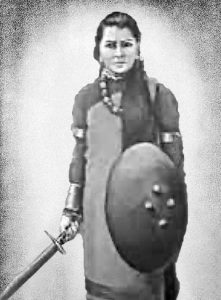 She is one of those female freedom fighters of India whose role is largely unknown outside her tribe or the state of Meghalaya. There are so many freedom fighters from the North-east India about whom we know very little. Personalities that gave up everything in the struggle against the British. Ka Phan Nonglait is one such freedom fighter.
Hailing from the Khasi Hills of Meghalaya, she is known for her fighting skills, bravery, and courage. She fought against the British even before 1857, i.e., the first war of independence. Along with the leader of her tribe, U Tirot Sing, she launched many attacks on the British soldiers. As a mark of respect, her clan has protected and preserved her house through the years.
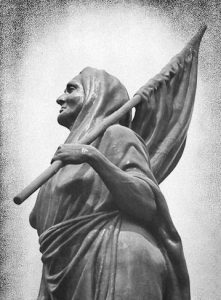 One of the prominent female freedom fighters of India, she rallied thousands of women to take over a police station at the age of 73, during which she was shot and succumbed to her injuries in the process. She was a staunch believer of every aspect of Gandhian ideology, because of which she was given the title “Gandhi Buri”.
She was active in the independence movements throughout her life and sacrificed herself while doing the same. Age didn’t stop her from marching fearlessly in front of armed policemen. She is one of the most powerful representations of women’s participation in the Indian independence movement.
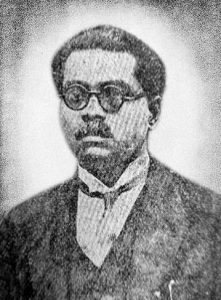 George Verghese was a highly learned and educated Indian freedom fighter from the state of Kerala. He put his immense knowledge of the law to use to help native people escape unlawful convictions by the British. The British passed an act in 1920 that labelled some tribes of Madurai as groups of criminals. When the tribes protested against this, they were killed in a shootout similar to that of the Jallianwala Bagh Massacre.
George Verghese opposed this fiercely through his writings and law practice. He had a prominent role in setting up the first trade union in India. He gave up his career as a lawyer to join the call of the Indian freedom struggle led by Mahatma Gandhi. He worked as the editor of The Independent, a newspaper started by Motilal Nehru, where he displayed his literary and intellectual capabilities. He spent the rest of his life fighting for the rights of the people.
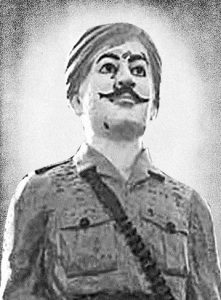 When we discuss the unsung freedom fighters of India, Dhan Singh Gurjar’s name should always be mentioned. He was the head of the police station in Meerut during the first war of independence. When the revolt broke out and the sepoys were jailed, the locals marched in fury toward the police station. Dhan Singh, along with his fellow policemen, joined the movement and freed the soldiers. Dhan Singh was considered the chief accused in these activities and was given a death sentence. The British, fuelled by vengeance, also attacked Dhan Singh’s village and murdered hundreds of people. His statue now stands in the same police station where he served as a kotwal almost two centuries ago.
Aside from a few personalities we have all read about and know, it is unfortunate that the names of so many great freedom fighters of India are still unknown to us. When we are celebrating our 75th Independence day, it is time that we recognise their immense contributions and give them the place they deserve in history.

January 26, 2025
These unsung heros have sacrificed their lives for our country so selflessly. I immensely respect them . Thank you for the precious and inspiring information Reading it on Republic Day made it more special
January 22, 2025
This is truly helpful which both enriches our knowledge as well as our patriotism towards our nation . It provides knowledge to young minds and help them in shaping better .


