How are Modern English Medium Schools Embracing Inclusive Education and Diversity?
09 Mar 2026
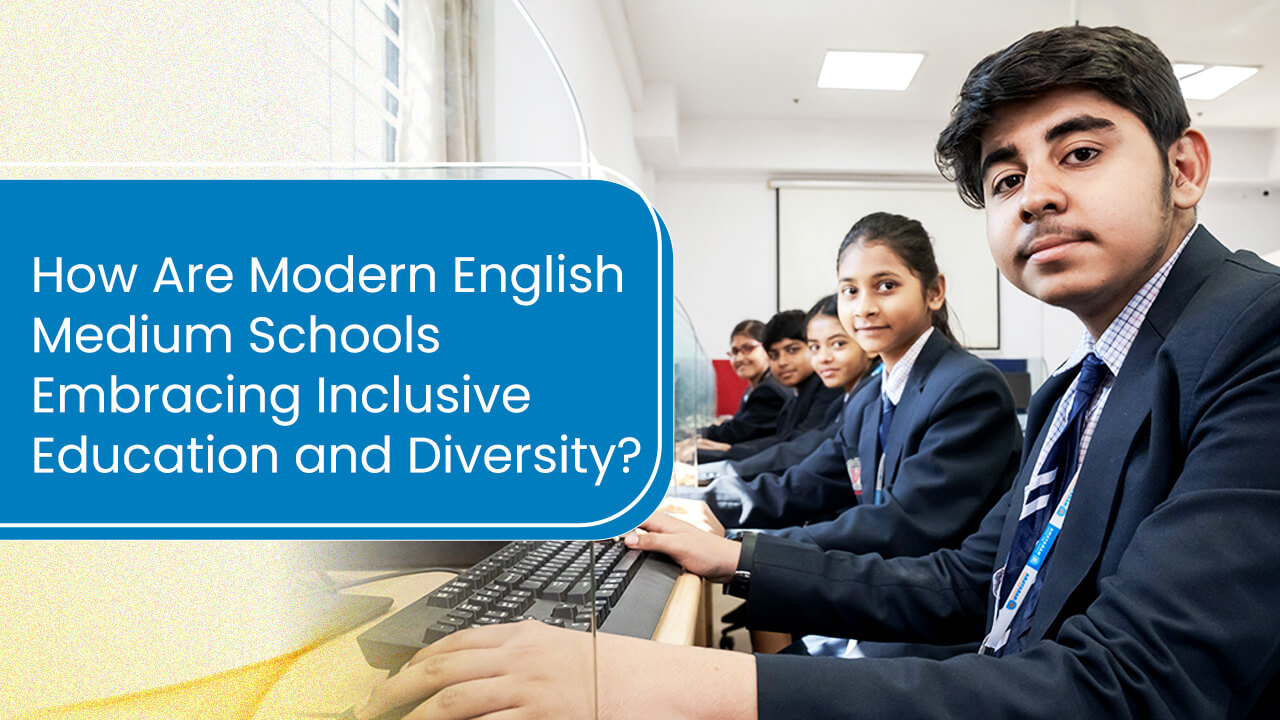
Education these days is not simply about textbooks and tests. It is about enabling each child to grow with self-belief, compassion and equal opportunities. Contemporary English medium schools are transforming their method of teaching. They are embracing children from all walks of life. They are providing equal dignity to each child. And they are making classrooms a safe and cheerful place for all.
Parents these days demand schools that are concerned with something beyond marks. They desire schools that deal with values, diversity, and equality. These are the reasons why many families are looking for an English-medium school. They see these as meeting the requirements of the future for their children. What sets these modern institutions apart is inclusive education and diversity. Let us explore why these are so crucial for your child's future.
What are Inclusive Education and Diversity?
Inclusive education is when all children learn together in one classroom. This consists of children with varying abilities, languages, cultures or backgrounds. Whether a child is slow or fast in studies, poor or rich, shy or outspoken, the school welcomes all and helps them. Diversity implies differences. It may be cultural, social or physical. In a school, diversity is observed when children belonging to different religions, communities or types of families learn together. You observe it when schools accept children with learning disabilities or disabilities alongside other scholars. The best CBSE school is one that integrates inclusivity and diversity, ensuring all the children feel important. No one feels excluded, and each child has an opportunity to shine.Why Are Inclusive Education and Diversity Important?
Inclusive education and diversity are important due to the following reasons:- Fosters Kindness and Respect: When children study alongside people who are not like them, they learn respect and kindness. They begin to realise that all human beings are equal, irrespective of perceived differences.
- Prepares for the Real World: Your child will encounter individuals from different walks of life in the real world. Inclusive schools prepare children for such realities, developing open minds and teaching them to collaborate with anyone.
- Improved Academic Development: Studies indicate that children perform better when they study in inclusive classrooms. Teachers employ techniques that value all kinds of learners. Slow learners get help, and fast learners remain involved as well.
- Boosts Confidence: Inclusive schools make each child feel special. A child who may feel overlooked elsewhere receives complete support here. This instils confidence and self-belief.
- Promotes Equality: Inclusive education combats discrimination and bias. It ensures that no child is discriminated against on the grounds of background, ability, or community.