


Loading...



Explore stories and insights
Loading...


 19
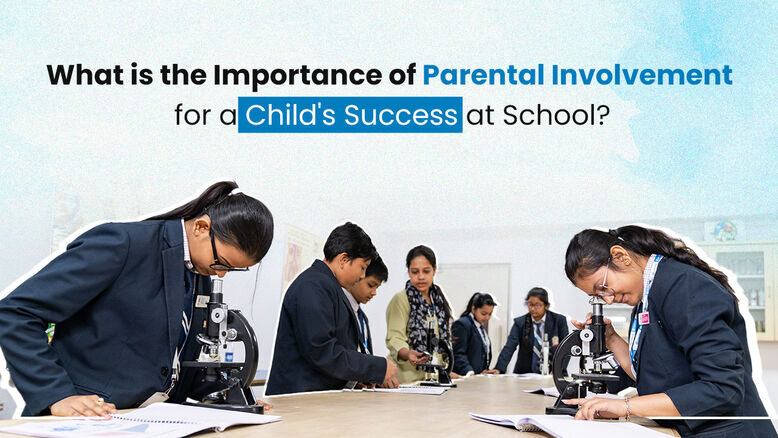
It is every parent's goal to see their child become successful both in life and educationally. The goal is always to help them develop into confident individuals. But success is not solely in the hands of schools and teachers. Parental involvement, their love, patience and actions also have a big role to play here. Let us discuss what parental involvement is and why it is so crucial. We will then explore how it contributes to a child's academic success. What is Parental Involvement in a Child's Education? Parental involvement refers to actively participating in the child's education and school life. It does not involve instructing in all subjects like a tutor. Instead, it entails being there, mentoring and taking an interest in what the child is doing or studying. It is often the little things, such as enquiring about their school day, helping them with homework, going to school meetings, or just motivating them before exams. It also includes imparting discipline, enforcing routines, and celebrating minor successes. The best CBSE school would be one where the parents and teachers are on the same page, working together to maximise the child’s growth. Teachers may teach, but parents provide the emotional boosts that instil confidence Why is Parental Involvement So Important? Parents are usually a child’s first teachers and also first friends. To the impressionable young minds, a vote of confidence from a parent is priceless and goes a long way in instilling confidence. If a father says triumphantly, "Well done, child," or if a mother affectionately pats their back, the child feels the entire world is behind them. Most children are extremely sensitive. If parents take an interest in what they study, the child feels, "My studies matter." But if the parents don't even ask, the child gradually loses interest, marks can dip, confidence can shatter and the child eventually begins to feel that they are just not good enough. Parental interest counts for the following reasons: It makes the child feel important. A simple question like "What did you learn today?" lets them know that their parents are recognising their hard work. It can boost confidence. If parents can bring themselves to celebrate effort and not only good marks, even average marks can be commended with an "I am proud of you for trying." It can teach them healthy ways to deal with fear. Children are often apprehensive during exams. Calm words of assurance from parents, "Don't worry, just do your best," can remove half the tension. It can foster discipline. Parents set the pace at home. If parents incorporate time management in how they deal with their child, children also learn to respect it. It encourages children to think bigger. A parent's assurance makes a child feel that they can achieve whatever goals they set their heart on. While many studies have established these facts, it is nothing new. Every invested parent already knows this in their hearts. When they invest time and love in supporting and counselling, the child does not merely get marks. They become tough human beings. How Parents Can Support Their Child's Academic Growth Most parents think, "I am not educated enough to help my child." But the reality is, you don't have to be a scholar to help your child. To your child, what is most important is that you are there to guide and you care. These small actions can produce tremendous outcomes. Here are some ways you can make a difference: 1. Develop a Calm Study Environment Even if the house is small, a corner with a table and a chair, or even a mat, can be made into a study area. Ensure their surroundings are quiet when the child sits there. They feel, "This space is for my studies." It is a place that makes them feel serious and more focused. 2. Create a Simple Daily Routine A routine is like a map. Without it, kids lose their way in play, TV, or on their phones. Parents can fix simple schedules that allow time for the child’s favourite activity alongside studies. Gradually, the kid understands discipline and starts valuing time. 3. Sit Alongside Them During Homework You don't have to know everything. Merely being present assures the child that he or she is safe. When he/she falters, your presence lets them know they are not alone and can ask you for help. That confidence encourages them to keep trying. 4. Remain in Touch With Teachers Teachers often see things that parents overlook. A teacher might tell you, "Your child is shy but highly creative." When parents listen and collaborate with teachers, the child feels supported and automatically performs free of mental conflict. 5. Read Together Reading aloud from books or newspapers opens a child's imagination. It also deepens the parent-child relationship, improving communication and making the parent more approachable to the child. 6. Acknowledge Efforts, Not Only Outcomes Occasionally, children work hard but score fewer marks. If parents criticise at this time, the child loses the motivation to try hard. Instead, if parents comment, "I noticed how tirelessly you attempted, and I am proud of you," the child becomes more confident. Remember, appreciation makes failure more tolerable and success more enjoyable. 7. Listen and Be Patient Children often have many things on their minds. They might be concerned about a friend, teacher, or subject. If parents listen patiently without getting frustrated, children feel comfortable speaking up. When they can open up to their parents, they are lighter at heart, mentally strong and better able to focus on studies. 8. Lead by Example Kids imitate what they see. If parents read the papers, kids want to read them too. If parents are disciplined, the kids also imbibe the same. Your own actions are the biggest lessons. Parent involvement is not about how much you know. But it is about how much you care. A hug, a smile, a routine and a word of encouragement- these are the tools that you can use to build your child's future. Emotional Support: The Hidden Power By now, it must be clear to you that parental involvement is not just about academics, but more about emotional bonding. Children also experience stress, fear, and pressure. A loving word from a parent eliminates anxieties. When parents listen patiently, children are encouraged to confide and discuss their issues. Emotional nurturing at home provides the strength to excel in school because a confident child becomes a successful student. The Impact of Parental Involvement: Some Statistics You cannot ignore the following facts: According to an NCERT survey conducted among students, there is a 40% higher chance of performing well in exams among students whose parents are actively engaged in academics. A study by Varthana indicates that students with supportive families develop improved problem-solving skills. They also have fewer chances of dropping out. Across the world, reports indicate that with strong support from parents, there are higher chances of successful completion of higher education. These figures tell us one thing: schools and teachers cannot do it all. Parents complete the loop of learning. Role of Modern English Medium Schools in Supporting Parents Schools also realise the importance of parents. Modern English medium schools are now trying to engage parents in their child’s education. They organise workshops, parent-teacher conferences, and counselling. Most schools provide timely reports on the progress of students through apps. Parents can see what their child is studying and how he/she is doing. These practices bridge the gap between home and school. They also arm parents with the information they need to support their children Equality and Shared Responsibility Learning is a joint effort by the family. Parental participation should not be limited to mothers. Fathers also have an equal role to play. If both parents participate, the child feels more supported. Even grandparents or older siblings can help. When a child witnesses this togetherness, they learn to appreciate the value of teamwork. Why Choose Narayana School for Your Child's Growth We at Narayana School see education as a journey for both children and parents. We walk hand in hand with families to ensure the best outcome for their child. At school, we don't only impart lessons. We encourage parents to be co-participants in the development of their child. We schedule frequent meetings, provide detailed progress reports, and counsel parents on how they can reinforce what is learnt at home. We understand that each child is different. Some require additional assistance in maths. Some are brilliant in the arts. Some are quiet in class but gifted in music. Our teachers are mindful of these indications. We inform parents so that we can together develop the talent of every child. Parents place their faith in us because we treat their child like our own. That faith makes us proud to be referred to as one of the top CBSE schools. It is a fact we take pride in and constantly strive towards. And no matter where you stay, a simple search of “ CBSE schools near me” is sure to lead you into the world of Narayana. Narayana Schools is here with a promise: your child's achievement and your happiness. Conclusion A child's success in studies is not in the hands of the school alone. Parents are the first teachers and the best mentors. When they guide in tandem with the school, it produces discipline, confidence, and emotional empowerment. When home and school unite, children soar higher. Therefore, as parents, take small but consistent steps. Let us ask, guide, listen, and motivate. Each smile, each word, each time we extend our willingness to help, it lays the groundwork for a child’s future. At Narayana School, we encourage you to take this journey with us. It is to ensure that we can achieve this for every child in their future. FAQs Q1. How much time should I spend each day on my child's education? Ans. Roughly 30–45 minutes of focused time daily is sufficient. Quality of interaction matters more than quantity; simply discussing lessons and offering encouragement can work wonders. Q2. What if I am not proficient in English or Maths? Can I still help? Ans. Yes. You don't need to have all the answers. Being interested, reviewing notebooks, and showing appreciation for their effort is enough. You can always consult teachers for technical guidance. Q3. How do I manage my child's exam stress? Ans. Stay calm and encouraging. Ensure they get adequate rest, wholesome food, and mild exercise. Providing a stress-free environment helps a child perform much better. Q4. Does excessive involvement make a child dependent? Ans. Only if it lacks balance. While you should guide them, it is vital to leave room for independent thinking so they learn to take responsibility over time. Q5. How can working parents remain involved? Ans. Consistency is key. You can enquire about their day, check homework in the evenings, and attend school meetings. Brief, meaningful daily interactions create a strong connection. Q6. How does technology contribute to parental involvement? Ans. Many schools now provide updates via apps and portals. Parents can conveniently monitor homework, grades, and attendance online, facilitating involvement even with a busy schedule. Q7. Can parental involvement enhance discipline as well? Ans. Yes. When parents establish routines and set healthy limits on screen time, children learn better self-discipline, which directly supports their academic growth. Q8. Why should I enrol my child in a CBSE school like Narayana? Ans. CBSE schools offer a systematic syllabus that balances academics with co-curricular activities. Institutions like Narayana ensure robust academic development alongside holistic life skills.
 20 Mar 2026
 19
Are you a parent who is concerned about his or her child? Like all other parents, you also have the desire to give your child the best education. We all want our children to be people of good values, sharp brains and bright futures. Choosing the right school is the initial step towards that dream. There are several choices for parents. But one board has earned the confidence of families throughout India. It is the CBSE (Central Board of Secondary Education). Let's see why CBSE is the best option for your child's future. We will also find out which school in your state can be the best destination to begin this process. What is CBSE Education? CBSE refers to the Central Board of Secondary Education. It is a highly reputed and most acknowledged school board in India. The board has a curriculum that is: Well-structured Student-friendly Subject to understanding, not mere memorisation Additionally, CBSE schools observe the same norms as schools in any other state. So, if you shift your location to another city, your child can adapt easily. He or she can simply continue their education without needing to modify the learning process. The Government of India recognises the CBSE. Nearly all Indian and foreign universities acknowledge their education system. From primary to Class 12, the board allows study to be easy, interactive and future-oriented. Top Benefits of CBSE Education for Your Child's Future Selecting a school can be a highly emotional choice for a parent. It's more than books, classrooms and exams. It's about moulding the future of someone you love more than anything else in the world. CBSE education provides a solid foundation when it comes to that. Here are the reasons why it excels: 1.National and Global Recognition Are you in a transferable job? Does your family need to shift from Howrah to Hyderabad, or even to Dubai? Don’t worry! Your child will be able to study without beginning from scratch. This implies no study gap and no loss of self-confidence for your child. 2. Balanced Learning that Builds the Child In CBSE schools, learning comes together with sports, arts and extracurricular activities. Kids don't only learn how to solve question papers. They also learn how to think, speak and communicate. This balance ensures your child develops keen knowledge and a warm personality. 3. Competitive Exam Advantage The majority of India's largest entrance exams follow CBSE concepts. That includes JEE for engineering, NEET for medical and UPSC for civil services. CBSE students begin to study these concepts when they are young. When the exam time arrives, they do not need to study completely new subjects. They enter the exam hall with confidence, not fear. 4. Stress-Free Learning with Understanding Parents recall their own school days of endless memorisation. CBSE breaks that pattern. Rather than making children memorise without comprehension, it emphasises understanding ideas. This makes it simpler to remember lessons. It also allows children to apply what they have learnt to life. 5. Good English Communication Skills Good English is nowadays the passport to better jobs and further studies. A CBSE-affiliated institution is an English-medium school . So the school will impart education in English. This makes students develop good communication skills. Don’t think that this eliminates mother tongue values. It just provides children with another valuable resource for their future. 6. Extracurricular Activities That Build Confidence Your child could be interested in cricket tournaments, dance competitions, debating clubs, or art shows. A CBSE school will recognise these interests and offer your child opportunities to thrive outside of academics. Such experiences make children more confident, people-friendly and prepared to take on the world. 7. Nurturing Environment Good CBSE schools are run under strict norms of safety and cleanliness. Parents can be assured that their child is safe at a well-managed school. This extends from clean classrooms to safe transportation. Why Parents Prefer CBSE Schools Today? The world has grown more competitive, and opportunities are no longer local but global. Parents have realised that CBSE schools provide more opportunities. Here's why: Better Preparation for National Exams : A student from a CBSE school in a rural area is on par with students from the big metropolitan cities. Modern Methods of Teaching : Rather than chalk-and-talk, CBSE schools incorporate modern tools. Smart boards, online resources and hands-on activities are beneficial to the pupils. The aim is to hold the children captivated and engaged. Development of Skills: CBSE does not impart mere syllabus material. It focuses on life skills such as teamwork, leadership and time management. Easy Shifting: Those families who shift cities for employment do not need to worry about the child adapting to a totally new syllabus. To most parents, the foremost reason is being prepared for the future. They wish to see their kids score good grades. Teens who graduate from CBSE schools usually think internationally and act confidently. Factors to Consider Before Choosing a CBSE School Finding the right CBSE school for your child is finding the perfect home for their aspirations. It's not merely a matter of name. It's about the ambience, faculty, and growth opportunities that the school provides. Here's what every parent must verify before making a decision: Location and Travel Time A long travel distance can exhaust children and cut down on study or recreational time. Seek a school near enough for everyday convenience but good enough for long-term education. Teacher Quality Teachers are the soul of a school. Teachers at a good CBSE school have been trained to explain/describe things easily and with patience. Infrastructure The facilities in a school tell a lot about a school's quality commitment towards education. There should be well-maintained science labs, computer rooms, smart classrooms, libraries and play areas. Focus on Co-Curricular Activities Query if the school holds regular cultural events, competitions and outdoor activities. These define your child's confidence as much as studies do. Safety and Security Verify the school's safety measures, CCTV surveillance and transport regulations. A happy child is a learner in a safe environment. Academic Track Record Previous board exam performance and competitive exam success stories reveal how well the school instructs. Personal Attention Each child learns differently. A good CBSE school makes sure no student gets left behind. Parent Feedback Talk to other parents. Their experiences will inform you of the reality beyond the prospectus. A wise decision here will ensure that your child's school life is rich in learning, happiness, and development. Keeping the criteria in mind, Narayana Schools can be your partner in your child’s journey. Why Choose Narayana School Narayana School is one of the best CBSE schools in India . We have been lighting up the future of students for generations. Here are a few different reasons to choose us as the better option: Experienced Teachers: Trained and skilled teachers who make learning easy and fun Proven Results: Consistently strong board exam results and successful competitive exam results Smart Learning Environment: Wireless classrooms, high-tech labs, and substantial libraries Individual Attention: Teachers pay attention to individual students’ strengths and weaknesses Competitive Exam Preparation: Special classes for students wanting to prepare for JEE, NEET and other competitive exams Full Development: All aspects, such as academics, sports, arts and personality development, are highly valued and combined Campus Safety: There are substantial safety practices in place, and the environment is nurturing Nationwide Network: Affiliation with one of India's largest education networks, providing access to the finest facilities When you select us at Narayana School, you are selecting excellence, nurturing, and a better tomorrow for your child. Provide Your Child with the CBSE Advantage Learning is the key to your child's success. With CBSE, your child will have a solid academic foundation, life skills and confidence to face the future. Search for “ CBSE school near me ” on Google, and you are sure to find Narayana Schools. With Narayana School, you can rest assured that this journey will be taken with care, love and expertise. Start today, admit your child to Narayana School, and unlock the door to unlimited possibilities. FAQs Q1. Is CBSE education beneficial for students? Ans. Yes. CBSE makes students ready for national and international horizons while, at the same time, retaining respect for local culture and values. Q2. Are CBSE students easily accepted by colleges? Ans. Yes. All universities/colleges in India recognise CBSE certificates. Q3. Does Narayana School emphasise only study? Ans. No. Along with academics, Narayana encourages sports, arts, cultural events, and life skills. Q4. Will my child receive personal attention at Narayana? Ans. Yes. Teachers monitor the progress of each student regularly and give additional attention when required. Q5. When does Narayana start the training of students for competitive exams? Ans. The process starts from middle school and is done in a stress-free manner. Q6. Is the CBSE syllabus tougher than state boards? Ans. No way. The syllabus is student-oriented, with emphasis on learning concepts. Q7. Are transport facilities available at Narayana School? Ans. Yes. Proper and secure transport is provided to students. Q8. Are there admissions available throughout the year in Narayana School? Ans. Admissions normally take place before the academic term, but parents must check early to get a seat.
18 Mar 2026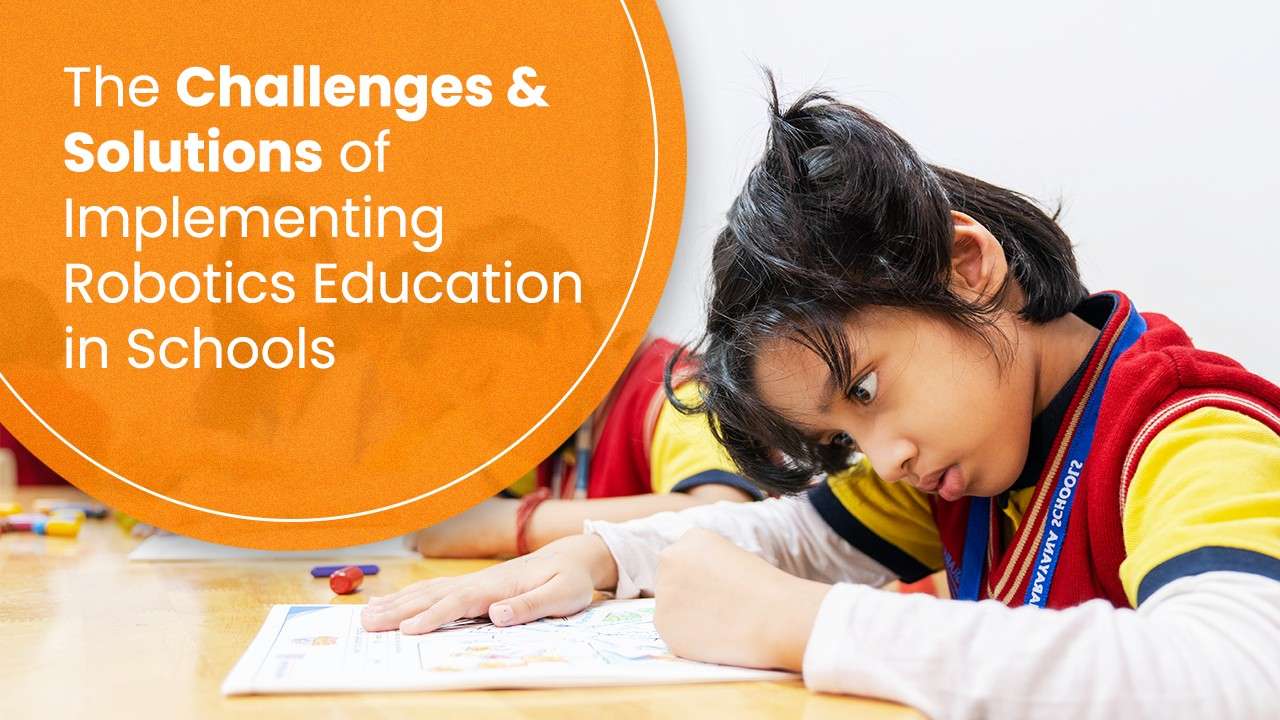 17
The world around us is changing more rapidly than ever. Machines are becoming smarter, and kids today are growing up with technology that their parents never dreamed of. These days, schools are not merely institutions where children read books. They are places where young minds learn to think, create, and innovate. Robotics learning is one such exciting move that makes kids go beyond memorisation of lessons and actually learn how things function. But as fascinating as it sounds, introducing robotics to every classroom is not always an easy task. Let's look at what the real challenges are in schools. We will also see how schools are coming up with smart, practical solutions to overcome them for the benefit of our children's future. Robotics in Every Child's Hands Imagine a little kid sitting in school, eyes wide with wonder, grasping small wires and a motor. The child presses a switch, and the small robot begins to move. That look of sheer delight on their face is all one needs to see. As parents, we all wish for our children to be happy while they are learning. We wish for them to explore, build, and grow. They should not merely memorise and forget. Robotics does just that. It makes learning fun. Children learn to think, imagine, and invent. But this brings certain worries to a parent’s mind. Is it possible to introduce robotics into every school easily? Can every child, including those from small towns, benefit from this type of learning? This blog shall explore more about what is deterring a large number of schools from teaching robotics, particularly at the primary level. It is important to learn how some schools are overcoming such challenges. And yes, Narayana School is one of the very few that are already doing their bit to address these issues. Keep reading till the end to find out how. What Robotics Education Means for Schools & Students Simply put, robotics implies studying how to create and program tiny machines that can do work. These machines might move, detect light, follow lines, or pick up objects. Kids employ robot kits, sensors, and electronic components to build these robots. For them, it is playing games, but with a purpose. They acquire logic, creativity, and problem-solving without realising it. Students learn how science and maths become real through robotics. They experience actual outcomes when their robot moves or responds. This generates confidence, discipline, and curiosity. Common Challenges Schools Face in Adopting Robotics Education Robotics education is exciting, but it comes with challenges, especially for regular schools trying to introduce it for the first time. Infrastructure & Equipment Costs The biggest problem is money. Robotics kits are expensive. Schools need proper labs, safe tables, and power points. Over time, these robots need repairs and maintenance. Parts may break. Batteries need replacement. This expense can cause a strain for schools with limited budgets. Teacher Expertise and Preparedness Most teachers have never taught with robots. They might be apprehensive about working with tools, programming software, or electronic components. Trained or not, they cannot lead students confidently. Schools must invest time and funds in teacher training, workshops, and mentoring. Until that happens, robotics education will never reach its full potential. Curriculum Integration & Time Constraints School schedules are busy enough with maths, science, languages, and exams. Fitting robotics into this tight schedule becomes difficult. Schools also have trouble figuring out how much robotics they should teach and when. Weekly? Monthly? How to integrate it with the other subjects, such as science and maths, without burdening the students? Resource Access & Equity In some villages and towns, electricity or the internet is not always reliable. Some kids don't have smartphones or computers in their homes. This creates inequality. Children from urban areas receive more exposure, while others lag behind. That is why schools need to plan robotics in a manner that engages everyone. Safety, Supervision & Sustainability Safety is extremely crucial. Kids play with small wires, motors, and batteries. Schools have to ensure that trained instructors supervise in schools. Mishandling parts can lead to accidents. Also, robotics courses must go on for years. Some schools begin with enthusiasm but fall off later on because of budget or personnel changes. Continuity is a real challenge. Emotional and Social Challenges Besides physical challenges, there are emotional and social ones as well. A lot of parents are concerned: "Will this be too difficult for my child?" or "Will my child feel confused due to these machines?" Kids, also, can feel stressed if others learn quickly. Quiet students can feel left behind. Schools sometimes emphasise competitions too much, making even learning a race. That creates stress rather than curiosity. So, motivation and emotional support are just as essential as robots and wires. Solutions: How Schools Are Overcoming the Challenges In spite of these obstacles, many schools, including Narayana, are demonstrating that robotics education can work with smart planning and perseverance. Smart Budgeting & Phased Investment Schools are learning how to begin small. They start with some simple kits and step by step make their way towards sophisticated ones. Some schools also share robotics labs with other nearby institutions. Others approach government schemes or NGOs for providing finances for robotics programs. This way, schools can keep costs under control without overburdening parents. Teacher Training & Mentorship Teachers are the key to robotics education. These days, schools are willing to offer teachers training sessions, both online and as extra time on the calendar. Teachers with experience in robotics are mentoring colleagues through peer learning. This enhances confidence and team spirit among staff. Even free online tutorials are guiding teachers through robotics step by step. When teachers are ready, kids benefit automatically. Curriculum Design & Flexibility Successful schools combine robotics with regular subjects. For example, an electricity lesson in science can involve creating a simple circuit for a robot. Robot movement can help a teacher explain distance or time in maths classes. Some schools offer robotics as an optional activity via clubs or activity classes. That way, interested students have an opportunity to learn without placing additional stress on all students. Providing Access & Equity Schools are coming up with innovative ways to reach all students. They utilise portable robot kits which do not need high-end computers. Teachers share offline study guides and printed materials. These resources are beneficial to those who lack internet connections. Local communities also help — parents, alumni, or small organisations provide tools or lend machines. This teamwork makes it possible to never leave any child behind. Safety Protocols & Sustainable Models Safety procedures are now integral parts of robotics programs. Kids wear eye protection or gloves when necessary. Educators remain nearby when tools are being used. Schools also develop maintenance schedules for robots and kits. In the long term, schools are committed to sustaining this program. They are allocating a small fund each year and continuing to train new teachers, to continue before experienced teachers leave/retire. Benefits Worth Overcoming Challenges Despite all these challenges, robotics education provides invaluable benefits. Children acquire problem-solving skills from actual experience. They learn to become patient when something does not work and try it again. Robotics enhances creativity. A child can conceptualise something out of imagination and watch it become reality. Confidence increases when the robot moves or performs a task. Guardians are proud to see their children build, repair, and showcase what they created. And yes, it exposes students to careers in automation, AI and engineering. These jobs will shape the world of tomorrow. Most importantly, it makes learning fun! Case Studies / Examples of Success In one small town school in Odisha, teachers initiated a simple robotics club with two kits. In a matter of months, students started making models out of waste materials. Science showed an increase in interest. A shy classmate who used to be afraid to talk now led a team in a district robotics competition. In another example, students who were slow in learning math understood better when they applied the concepts to building robots. These inspiring incidents demonstrate that robotics doesn't merely impart technology. It builds confidence, curiosity, and hope. What Guardians Should Look for When Choosing a School With a Robotics Program If you are a parent setting up your child for the future, here are a few easy things to look out for: Does the school have a proper robotics lab or even a corner space? How often do kids get to handle and play around with robotics equipment? Is it once a term or every week? Are teachers qualified and kind to beginners? What precautionary measures does the school take? Are there additional charges for robotics exercises, and are they open about it? A good school combines robotics with academics, safety, and fun. Looking Ahead: What the Future has in Store The future of robotics in schools is bright. Low-cost robot kits are becoming the norm. Virtual simulations are helping schools with limited space. Even small towns are becoming very interested. Children from all walks of life are forming robotics clubs. In the next few years, robotics will connect closely with artificial intelligence, drone technology, and automation. Career opportunities will emerge in robot design, machine maintenance, automation controls, and industrial design. But even for kids who pursue other careers, robotics develops skills, teamwork, problem-solving, patience, and creativity. These lessons will remain valuable for a lifetime. Lifelong learning will be the key to success. How Narayana School Is Addressing These Challenges We at Narayana School are of the view that robotics need not be a luxury. Every child deserves the same experience. That's why we have invested in safe robotics labs, updated kits, and teacher training. Our teachers frequently attend workshops to learn new technologies. We conduct robotics sessions and competitions that encourage children to be inquisitive and proactive. We maintain safety by adhering to proper guidelines and continuous monitoring. We also make the program affordable by utilising shared kits, digital tools, and community resources. Students here learn not just to study but to build, experiment, and present their work. Robotics is a part of their course of study, not an extracurricular activity. Parents receive information about projects so that they can witness their child's growth with pride. Conclusion Implementing robotics in schools is not a cakewalk. There are expenses, challenges, and concerns. But the advantages are much bigger than the obstacles. Kids who learn robotics today will become thinkers, inventors, and leaders tomorrow. As parents, we all want our kids to be prepared for tomorrow. We would love to see them confident, able, and imaginative. Learning robotics provides them with that capability. If you want to observe how it occurs in actual classrooms, come to Narayana School. Meet our teachers. Observe children working in the robotics lab. Imagine the excitement in their eyes at the first robot assembly. That spark is the first step to a brighter future. FAQs Q1. When is robotics education suitable for a particular age? Ans. Even 8–10-year-old children can begin basic robotics. Learning at this age becomes play, and not a burden. Q2. Will robotics take away from fundamental studies (reading, writing)? Ans. No. Robotics complements learning. It enhances logic, concentration, and comprehension of subjects such as maths and science. Q3. Is it safe for children to work with robot components? Ans. Extremely safe when monitored. Schools strictly follow safety norms, and students are well-trained. Q4. Do kids need to know technology beforehand to begin robotics? Ans. Not necessarily. We cover robotics from scratch. Any kid can begin with curiosity and guidance. Q5. Will school fees go up if students learn robotics? Ans. Some schools incorporate it into the normal fee. Others charge a small activity fee. Narayana makes it cost-effective by sharing kits. Q6. Can kids from non-technological families transition seamlessly? Ans. Yes. Robotics is learning by play and team spirit. Family background is irrelevant. Interest counts. Q7. How often should robotics classes be held every week? Ans. Ideally, once or twice a week. This provides excitement without overwhelming students. Q8. Do robotics activities help in future higher education and careers? Ans. Absolutely. They develop analytical thinking, creativity, and collaboration. A professional can utilise these skills in nearly every field.
16 Mar 2026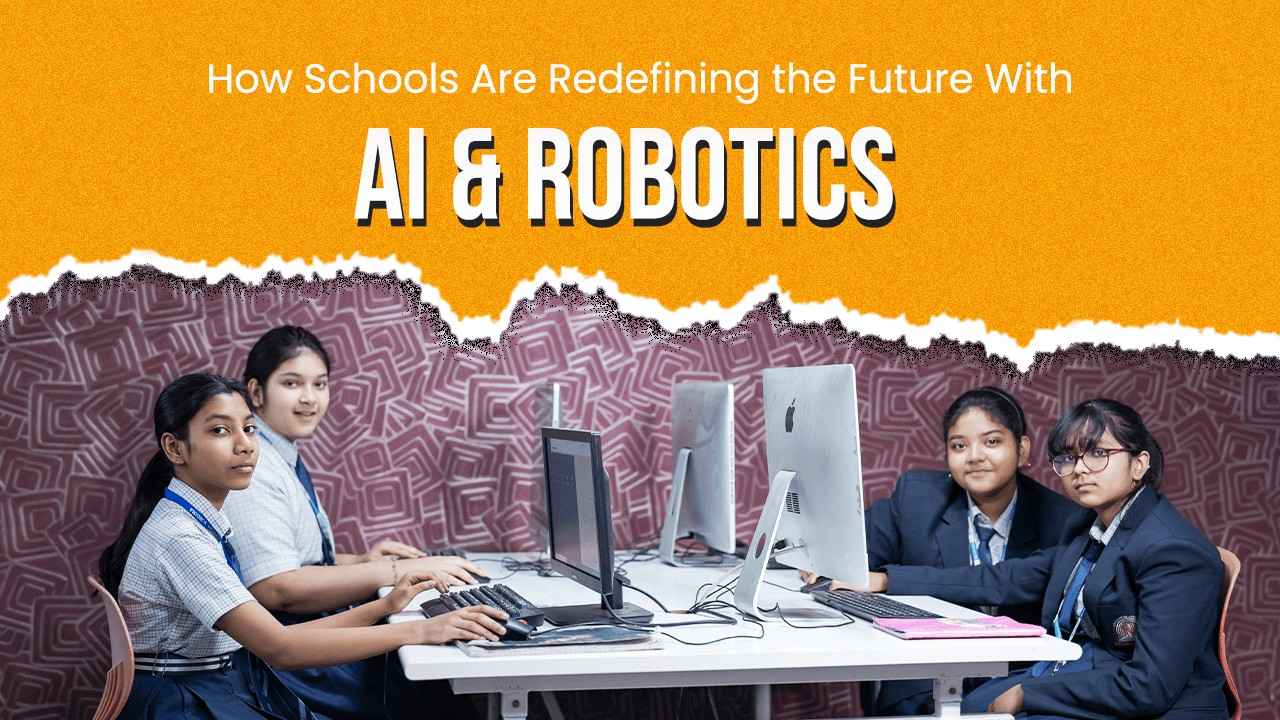 20
As parents, you also must have a dream of watching your child excel in life like other parents. You wish your little one to grow up brave, talented, and prepared for the world. However, the world is moving rapidly. Nowadays, machines, computers and digital devices are making life easier and faster. Isn’t it amazing to see that robots are cleaning houses and doctors are using AI to save lives? Even farmers are using smart machines. So, being a parent, you wonder — what if my kid learns these tools today? That’s exactly what many forward-thinking schools are also working towards. These schools are teaching students with the help of Artificial Intelligence (AI) and Robotics. In this blog, we’ll see how these two technologies are shaping the classrooms of today and preparing children for tomorrow. What are AI and Robotics in School Education? Let's start with something simple: Artificial Intelligence (AI) is when a machine or a program can learn, think, or solve problems. They can get better at things by practising, just like humans. For example, if your phone tells you you've misspelt a word, that's AI. Robotics is about creating or using devices that can move, or move and work, on their own. A tiny robot toy that rolls around is an example, or a robot that is used in a hospital. Children in schools are now learning about how these machines function. They learn through fun tools such as coding blocks, sensors, and small robot kits. They even communicate with AI voice assistants to answer maths or science problems. They are not simply fancy toys. They are capable learning tools that make children think, invent, and imagine big. Why AI & Robotics Have Become Important in Schools Today? The job landscape has changed. Many of the occupations that were needed 20 years ago do not exist today. Today's machines can perform even the simplest tasks, such as typing a report, billing, an invoicing system, or typing data for entry. This means our children need to learn skills that machines cannot have - creativity, problem-solving, and lateral-thinking skills. The Government of India also agrees with this idea through NEP 2020 . I t promotes coding, STEM laboratories, and experiential learning in primary classes. Today, schools are emphasising less memorisation and more comprehension. Children learn through action, not merely book-reading. Robotics and AI make learning interactive and engaging. They help children develop reasoning skills, problem-solving, and taking on new challenges. When children learns these skills at the beginning, they grow up being mature and confident, ready to take on a future with hundreds of choices. How Schools are Implementing AI & Robotics: Real Practices Schools are gradually becoming innovation spaces. Let's observe how. Robotics Labs: Most schools have laboratories where children build and test small robots. They learn how to operate them using basic coding. AI-based Learning Tools: Some schools employ smart software that adjusts the difficulty level of questions according to every child's capability. What if a child is struggling with a particular subject? The system provides extra practice in that subject. Coding and Problem-Solving Courses: The students begin with block coding or basic games. Next, they develop apps and control circuits. Virtual Reality (VR) and Augmented Reality (AR): Imagine students wearing glasses and seeing the solar system really move. It's more engaging than a textbook. Teacher Training: Even teachers are learning new digital skills to instruct children. All these processes make the classroom fun and prepare children for a brighter future. Benefits to Children & Parents AI and Robotics yield so many benefits that all parents can feel the difference. Improved Understanding: Kids do not learn mere theory. They experience it. When they make a small motor or a circuit, they understand science better. Confidence Building: When a robot actually moves or code comes together, a child feels pride. That joy enhances self-confidence. Creativity and Innovation: Occasionally, the robot doesn't function. The child attempts again. This teaches patience, persistence, and imagination. Future Job Skills: Nearly every career in the future will employ technology. Early exposure makes students comfortable with machines and coding. Fun and Engaging Classes: When learning is enjoyable, kids love attending school. They remain more alert and active. For parents, it is peace of mind as your child is learning skills that count for tomorrow. How Schools are Dealing with the Challenges of Implementing AI & Robotics Surely, there are challenges with every innovation. But schools are developing smart solutions to address them. Cost & Infrastructure: Computers and robotics kits don't come cheap. Schools are joining hands with organisations or sharing lab spaces to keep costs within budget. Teacher Readiness: A few teachers are not accustomed to all of this. Workshops and training programs run regularly to keep them updated. Digital Divide: Some children can't afford devices or the internet at home. Schools bridge this gap by providing after-class hours in lab spaces. Safety & Misuse: Teachers keep a close watch on the way children use machines. They learn about safety, like not to touch sharp edges or misuse online tools. Keeping Balance: Despite all the technology, schools make sure children still read, play, and socialise with friends. Human values remain at the centre of learning. Opportunities Ahead: What Schools Are Doing The future is bright. Schools are now going the extra mile to integrate AI and Robotics into every child's life. They are focusing on the following: Collaborating with technology firms to install robotics labs. Conducting teacher training workshops to enhance online teaching. Engaging parents and communities in fairs and exhibitions. Initiating robot clubs and competitions that promote teamwork and innovation. Employing AI-based learning tools to help students who are lagging behind in mainstream classes. Each small step is creating a more solid foundation for our children's future. A Few On-Ground Facts India is quickly moving towards digital education. STEMpedia now facilitates more than 20,000 students from all over India to learn about AI and Robotics interactively. STEMROBO collaborates with schools to organise competitions where kids design their own machines. RoboSmart Labs and NanoSchool have developed programs for more than a thousand schools . It enables them to integrate hands-on learning for all students. These examples tell us how technology is reaching into cities as well as towns. Why is This Important, Particularly for Parents? Smart classes, robotics kits, and coding software are now entering schools. Parents are concerned about their child's future. Employment changes too quickly, and everyone wants their child to have the best jump start. AI and Robotics education provides that confidence. These areas allow children to develop confidence, learn modern skills, and stand apart from other children. If a school can offer this experience, there should be some consideration beyond the price. After all, every child should advance in time and not backwards, right? What Parents Should Watch Out For When Choosing a School With AI & Robotics When selecting a school, it's a good idea to look into a few things: Are the lab facilities safe and in good condition? Are the teachers sufficiently trained to use these machines? How frequently do students get to actually work hands-on in the lab? Is the curriculum balanced? It should not be only focused on machines but also on values and teamwork. Are the fees aligned with the benefits received? A little research before admission can have a huge impact on your child's life. How Narayana Schools are Making This Happen At Narayana Schools, bold statement, we believe every child should have an education reflective of a future ahead of them. You will be pleased to know Narayana Schools statewide has already started the AI & Robotics journey! You will find our classrooms buzzing with curiosity and innovation. Students learn coding language, create small robots and attend national tech fairs. Teachers receive regular training in new technologies so they can guide every child better. We also employ AI-based digital tools that help in finding out the strengths and weaknesses of every child. We ensure personalised care to avoid leaving any child behind. You may come down to our schools, view the robotics labs and speak with our mentors. We encourage you to join your child on his/her journey to the future, where learning is not merely from books but from experience. Conclusion AI and Robotics are not fantasies of the future. They are a reality today. Schools that embrace these tools sooner are bestowing a gift of confidence, imagination, and bravery upon their children. You, as parents, wish to have your child excel with talent, passion, and intelligence. Allow them to learn, discover, and develop in an environment that is committed to future-ready education. Come and visit Narayana Schools. See how learning occurs with passion and intent. Provide your child with the chance to be future-ready, beginning today. FAQs Q1. At what age is it appropriate to begin robotics/AI education? Ans. Kids can begin at age 6 or 7. At this age, they are curious and enjoy learning through discovery. Schools usually start with simple coding games and introductory robot models. Q2. Will robotics/AI distract from basics like reading and writing? Ans. Not at all. These topics actually reinforce reading and writing. Kids learn to obey instructions, comprehend steps, and reason logically, all of which make them improved learners across the board. Q3. Can these tools assist students who are struggling in school? Ans. Yes, the AI learning software can adapt lessons to the child’s level. If a child is behind in math or science, the system offers extra assistance until the concept is understood. Each child will learn at their own pace. Q4. What extra cost is incurred in schools that have robotics laboratories? Ans. It varies from school to school, but the majority of schools incorporate it into their standard curriculum. Parents may enquire from the school. The value of the learning their child receives usually far outweighs the cost. Q5. Are robotics and AI safe for young children? Ans. Yes, schools have strict safety guidelines. Teachers guide students when they handle parts or devices. Children also learn to treat technology respectfully and use it wisely. Q6. Will exposure to robotics benefit higher education and careers? Ans. Absolutely. The majority of all careers in the future will employ AI, coding, or automation. Early exposure builds your child's confidence and provides a solid foundation to develop any career. Q7. How often should students work in these labs? Every day, every week? Ans. Most schools usually schedule lab sessions once or twice a week. This provides children with sufficient time to learn, practise, and study other subjects as well. Q8. How can parents encourage kids learning robotics/AI at home? Ans. Parents can discuss with children what they have learned during class. View brief online videos together on how robots function. Encourage curiosity and not perfection. Allow them to try and fail, then try again. You could even attend school demonstrations to observe what your kid is learning. Q9. How can I take part in my child's learning journey with AI and robotics? Ans. You don't have to be technologically savvy. Simply be curious with your child. Ask them to describe what they created or programmed. Drop by their school labs when invited. Attend school events or exhibitions. Your enthusiasm pushes your child harder than any device can.
14 Mar 2026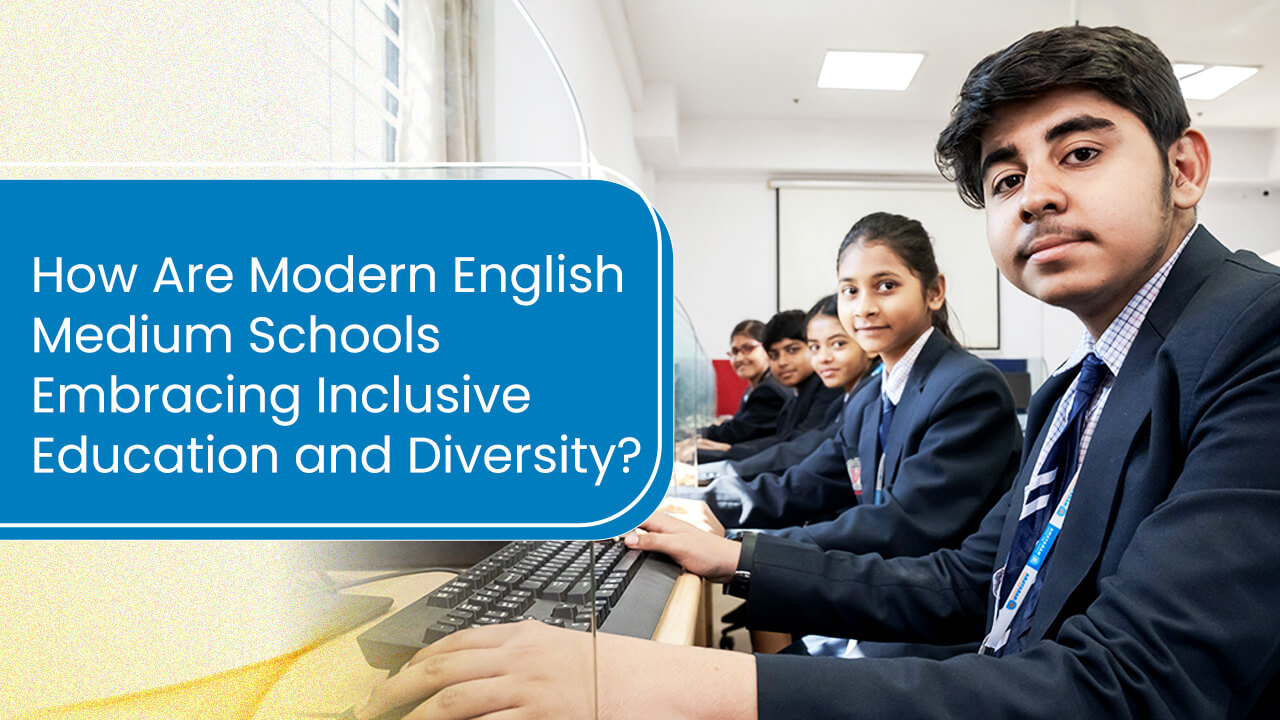 20
Education these days is not simply about textbooks and tests. It is about enabling each child to grow with self-belief, compassion and equal opportunities. Contemporary English medium schools are transforming their method of teaching. They are embracing children from all walks of life. They are providing equal dignity to each child. And they are making classrooms a safe and cheerful place for all. Parents these days demand schools that are concerned with something beyond marks. They desire schools that deal with values, diversity, and equality. These are the reasons why many families are looking for an English-medium school . They see these as meeting the requirements of the future for their children. What sets these modern institutions apart is inclusive education and diversity. Let us explore why these are so crucial for your child's future. What are Inclusive Education and Diversity? Inclusive education is when all children learn together in one classroom. This consists of children with varying abilities, languages, cultures or backgrounds. Whether a child is slow or fast in studies, poor or rich, shy or outspoken, the school welcomes all and helps them. Diversity implies differences. It may be cultural, social or physical. In a school, diversity is observed when children belonging to different religions, communities or types of families learn together. You observe it when schools accept children with learning disabilities or disabilities alongside other scholars. The best CBSE school is one that integrates inclusivity and diversity, ensuring all the children feel important. No one feels excluded, and each child has an opportunity to shine. Why Are Inclusive Education and Diversity Important? Inclusive education and diversity are important due to the following reasons: Fosters Kindness and Respect: When children study alongside people who are not like them, they learn respect and kindness. They begin to realise that all human beings are equal, irrespective of perceived differences. Prepares for the Real World: Your child will encounter individuals from different walks of life in the real world. Inclusive schools prepare children for such realities, developing open minds and teaching them to collaborate with anyone. Improved Academic Development: Studies indicate that children perform better when they study in inclusive classrooms. Teachers employ techniques that value all kinds of learners. Slow learners get help, and fast learners remain involved as well. Boosts Confidence: Inclusive schools make each child feel special. A child who may feel overlooked elsewhere receives complete support here. This instils confidence and self-belief. Promotes Equality: Inclusive education combats discrimination and bias. It ensures that no child is discriminated against on the grounds of background, ability, or community. As per UNESCO, approximately 75% of children with disabilities in India remain out of school. Inclusive schools are striving to transform this deplorable situation by opening doors for all children. How Modern English Medium Schools are Promoting Inclusive Education Inclusive education isn't just a policy at a modern English medium school . It's more like the soft rhythm of a caring heart. Imagine going into a classroom where each child is seen, safe and celebrated. And here is how institutions are achieving these goals: Teacher Training with Heart Teachers don't merely know their subjects. They know the hearts of their students. Schools provide training beyond the pages of a textbook. Teachers learn to identify the quiet kid who's having trouble with reading. They also identify the one who's shy and full of ideas but needs some motivation. They learn the little things to do to help, such as providing more time, utilising visual aids, or drawing out a story on the board. A teacher's compassion is a child's springboard for learning. Technology That Hugs the Learner Smart boards, tablets and audio-visual equipment aren't merely fancy gadgets. They respond as friendly mentors. A hearing-impaired child sits through a lesson with captions on smart screens. Another child lacking in the ability to focus learns through interactive apps and reading aloud. Each child has a means of comprehension through touch, vision or hearing. Imagine the smile on a child's face when a lesson suddenly makes sense, thanks to that helpful animation! Special Educators with Gentle Hands For students who require extra help, special educators intervene—not to criticise, but to hold their hand and steer them ahead. They construct small steps, celebrate small victories and ensure no child is ever behind. A struggling math student might learn through hands-on puzzle pieces. A reading-challenged child might enjoy one-on-one storytelling. These teaching moments sow seeds of confidence that come to flower as hardy, persistent learners. Language Made Easy Most houses in India speak their native languages. When they step into English medium classes, children require a small bridge. New schools create this bridge with gentle English support. There are extra classes, simplified language apps, and small chat circles. In no time, those initial shy words become confident English sentences. Celebrating Every Child's Culture In such classrooms, celebrations are genuine. Durga Puja, Eid and Christmas all become festive school functions. A child may volunteer her mother's sweet pastry recipe. Another presents his father's prayer song. Every festival is a lesson in respect and happiness. Children laugh in company, taste sweets in company and learn that every culture is lovely. This collective warmth spins a classroom family where each child feels at home. Peer Support That Builds Trust Here’s a sweet thing: when schools encourage students to help each other. A confident classmate might help a friend who is struggling with homework. The one who is helping feels happy, and the helped feels valued. Friendships grow from trust. This culture teaches children to lift others rather than stand above them. They are planting seeds of cooperation and caring that will stay with them forever. Flexible Caring Practices Every child learns uniquely. Some excel with project work. Others bloom with images or reading in silence. Modern schools accept this with adaptable teaching. They combine group projects, visual games and stories. They wait and wait patiently for each child to catch up, applauding every little success. A classroom is a garden where every child blooms at their own pace. Equality and Diversity in Schools: A Closer Look Equality and diversity in schools are not hollow words. In good English medium schools, they sound more like the warmth of humming all around. Every child feels a sense of belongingness. Equal Chances for All Here, girls play football, boys dance and all children get a turn to lead, sing or speak. A shy child gets to read in the morning assembly. Another gets to conduct the school choir. Equality is when every child's dream gets a platform, not only the extroverted ones. It says, "You matter. Your talent matters." Making Space for All Abilities When a child is in a wheelchair, the school opens up ramps and accessible bathrooms. They do it even if it takes time to retrofit. When another child requires quiet space due to sensory requirements, a warm corner awaits them. The message here is simple and powerful: "You belong. We made space for you." This type of care says to a child, "We value you just the way you are." Defeating Bullying with Belonging Classrooms can be challenging. But in diverse, inclusive schools, bullying has no room. Kids understand they're supposed to support each other, not finger-point. Teachers intervene softly. Their aim is not to scold but to help. They remind students to stop, talk, and listen. No one can hear phrases like "stupid" or "ugly". They teach kindness, forgiveness and the strength of a kind word. Learning from Differences A Tamil boy describes how his family celebrates Pongal. A Marwari boy explains about celebrating Diwali festivities. A Bengali girl narrates the way she decorates clay pots during Durga Puja. These anecdotes are lessons for all children to learn that "different" is not "less". Each person's tradition is added to the classroom narrative. This is what makes children realise that diversity is our strength, not our divide. Equal Learning for Every Ability Here, students with dyslexia, ADHD, or autism get the attention they deserve. Special instructors modify lessons. Peers learn together with support and understanding. These classrooms echo with a quiet power. All children can learn in their own way. Every mind has worth. Leadership That Reflects Differences Children observe leaders ahead of them who embody diversity. They see a teacher wearing a sari and another in a salwar kameez. Students belonging to various communities are members of school councils or groups. Children understand that leadership is not confined to one type of face. It's accessible to everyone. This sows the seed of thinking that they, too, can lead, regardless of who they are. Why Parents Are Seeking Inclusive Schools More and more parents are now understanding that there is more to education than just high marks. They wish to have schools where kids pick up values for life, empathy and respect. Many are looking online for " CBSE schools near me " or "English medium schools nearby" with inclusive practices. These schools help children adapt to a rapidly changing world. As job markets and society become increasingly globalised, inclusivity and cross-cultural understanding are future skills. These schools also support and aim to help differently-abled children, preparing them for the world outside. Why Narayana School for Inclusive Education and Diversity? At Narayana School, we are convinced that each child is distinct. We greet children of all abilities and backgrounds with the same warmth. To us, inclusion is not merely a practice. It is a commitment. We employ trained teachers who simplify and make learning a delightful experience for all children. Our classrooms are equipped with the latest technology that caters to children of varying learning styles. We honour cultural diversity in classrooms with dignity so that all festivals appear like family celebrations. We also provide safety and care in every nook and corner of our school. From sports to art, from studies to life skills, every child has the opportunity to explore and excel. Parents label us as one of the best CBSE schools because we strike a balance between academic excellence and diversity. We desire that every parent should feel that their child is given importance, regarded and cared for here. When you pick Narayana School, you pick a school where no child is left behind. Conclusion Inclusive education and diversity in modern schools are no longer a choice. They are the core of schooling today. A contemporary English-medium school that honours differences equips your child with the tools for success in life. It instils empathy, equality and confidence in them. As a parent, your decision today will determine your child's tomorrow. Seeking a school that balances quality learning with inclusivity? Narayana School is here for you. Provide your child with the gift of inclusive education. Visit us at Narayana School today and start a brighter future for your child. FAQs Q1. What is the ultimate objective of inclusive education in contemporary schools? Ans. The primary aim is to make certain that all the children, be they from any background or with disabilities, all sit in the classroom and learn together and feel appreciated. Q2. How do English-medium schools deal with children with learning difficulties? Ans. They employ special teachers, computer aids, and individualised teaching strategies to provide additional support and facilitate learning. Q3. Why is cultural diversity a must in classrooms? Ans. It makes children understand and respect various traditions and religions. It also readies them to coexist and work in a multicultural society. Q4. How can parents promote inclusive education at home? Ans. Parents can ask children to be courteous, respect differences, and help classmates or neighbours who might require help. Q5. Do CBSE schools lay stress on inclusivity? Ans. Yes, most contemporary CBSE schools are striving towards inclusivity through providing equal opportunities, embracing diversity, and employing trained staff. Q6. Are inclusive schools for children with special needs only? Ans. No. Inclusive schools are for all children. They are concerned with equal respect and support for all, not just children with special needs. Q7. What is the implication of technology for inclusive education? Ans. Smart boards, e-books, and audio-visual aids are examples of technology that make learning easier. They are more participatory for kids with different skill levels. Q8. Why should I think about sending my child to Narayana School? Ans. We at Narayana School combine academic excellence with inclusivity. Our modern facilities, trained staff, and caring environment provide equal opportunities for every child.
09 Mar 2026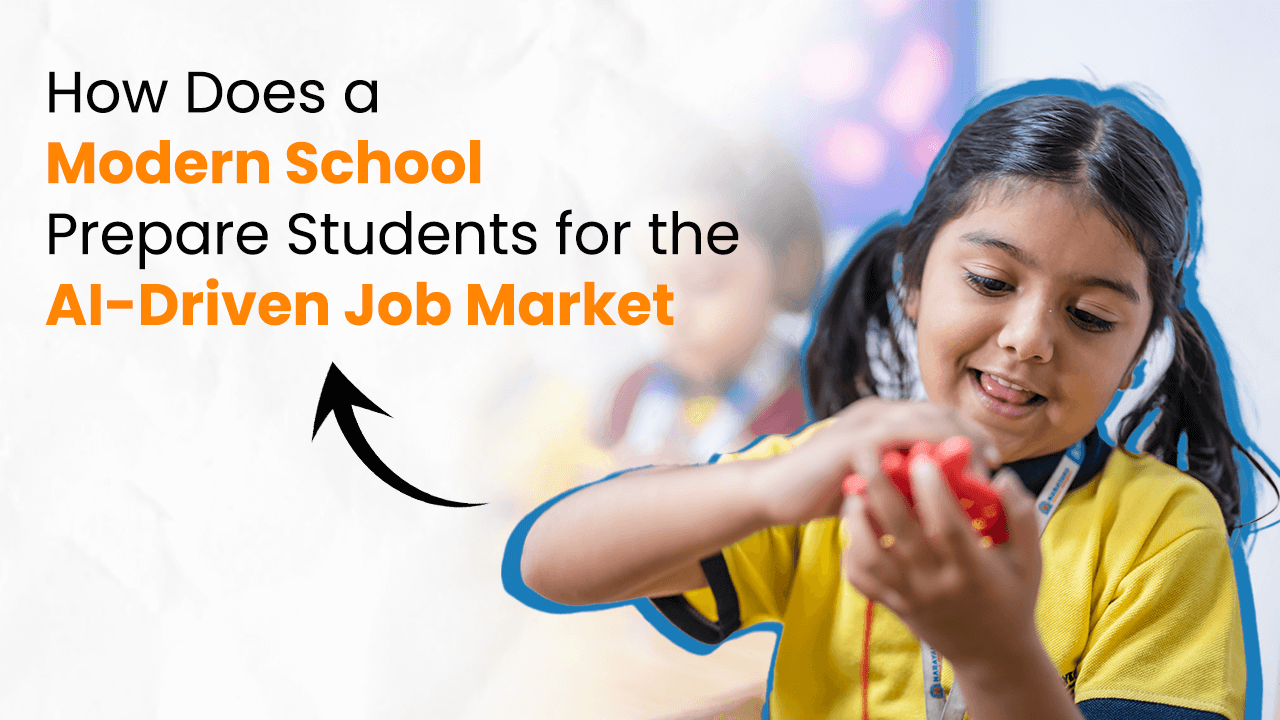 20
The job world is changing very fast. Machines, smart software and digital solutions are revolutionising every profession. Modern schools now make students ready to study and also to think, innovate and evolve. The objective is to get children ready for an AI-enabled work environment, where devices and people will work together in various capacities. A New Age of Opportunity When we were young children, we wanted to be doctors, teachers and engineers. Things have changed pretty dramatically. Now kids want to be robot designers, AI app makers or even drone pilots. These are careers that were wrought several years ago. As parents, this idea both excites and concerns us. We want our kids to have good work opportunities. But we brace for them not being ready for that world. The fact is that schools are about much more than books and exam scores. Schools are turning into institutions where students learn how to work with computers, machinery and artificial intelligence (AI). In this era of automation, a modern school is the starting point to get a child ready for the professional world of tomorrow. What is the AI-Driven Job Market? We must be clear about what an AI-driven job market is. An AI career market is a world in which computers and smart machines assist people in getting their work done quickly and more efficiently. These machines can "think" through data and patterns. An example: Smart home assistants like Alexa or Siri use artificial intelligence to interpret what we say Self-driving cars are almost able to drive to your destination autonomously, with the help of real-time data gathered by advanced sensors and decision-making Artificial intelligence is helping doctors with the early detection of disease in hospitals Robots are a part of the packaging and assembly process in factories That's why almost every sector, from farming to medicine, is changing. Machines are adapting to perform more. But they remain dependent on smart, qualified individuals to manage them. That's where our kids play a role. The next generation must know how to work with AI. They should not be afraid of it. Key Skills Needed in an AI-Driven Future The future will not be about memorising facts but about thinking, inventing and learning. Some important competencies that schools today are nurturing in students are: Problem-Solving Skills: Educating children on what, why, and how behind a concept helps them understand better. It enables them to critically analyse any problem and apply logic creatively so that they can solve any problem, either related to projects or day-to-day life. Digital Literacy: Digital Literacy is knowing the computers, apps and digital tools available and using them responsibly. It ranges from simple coding to knowing about data, so when students learn about and therefore know about digital literacy, they will stay secure in a very digitally savvy world. Creativity & Innovation: AI can be funny, can think and can be capable, but only humans can dream. Schools allow for a more creative approach to learning through projects, art making or design to develop something new, which promotes creativity. Adaptability & Lifelong Learning: As technology changes daily, children must learn to upgrade their knowledge. Their adaptability will allow them to successfully change jobs and retain their resilience regardless of the context. Collaboration & Communication: Future jobs will require collaboration with people from other states and countries. Children need to learn to effectively communicate ideas and collaborate in teams. Why are Schools Adapting Now The world is moving fast. Many jobs that exist now will change or no longer exist in a few years. If schools continue to educate their students the same way schools have always educated their students, children will learn sometime later in life that they cannot adapt. Kids are not memorising lessons or taking tests similar to what we do in school approaches. That is why schools are starting to add new subjects in addition to their regular lessons. They are using digital resources and incorporating hands-on learning. These innovations make students confident, curious and work-ready. It is no longer about just passing the exams. It's also about being ready for life. How Schools Develop These Skills in Students Schools can build these skills among the students in the following ways: 1. Curriculum and Teaching Methods Schools are now adding subjects such as robotics, coding and artificial intelligence to the regular curriculum. Students are focusing on practical work activities rather than studying subjects from textbooks. They either build models of robots or use simple AI apps. Problem-based learning is also becoming more popular. Students love solving real-world problems as teams. This enhances teamwork and critical thinking. There are some schools that employ adaptive learning software that modifies lessons based on each child's pace. This gives confidence to slow learners while challenging faster learners. 2. Technology & Tools in Classrooms If you went into a new classroom today, you would most likely see: Smart boards so children can interact with lessons. Items such as tablets or laptops instead of heavy notebooks. Virtual labs that allow online science experiments. Robotics kits that enable children to build moving models. AI Tools can even be beneficial to a teacher, giving instant assessments on tests or exams or suggesting ways to improve learning for each student. 3. Teacher Training & Mentorship A school is as good as its teachers. Most schools are now training their teachers in AI and digital learning. Workshops are arranged so that teachers can handle new technology with ease. In addition to this, schools are appointing mentors who enable students to develop curiosity, confidence, and communication and not merely subject knowledge. 4. Learning Beyond The Classroom Education is no longer for four walls. Schools are demonstrating robotic competitions, coding camps and innovation fairs. Some are even partnering with technology institutes or local universities to give students practical applications. This early encounter begins to normalise learning to be fun in order to build dreams for the future. Real-World Examples & Success Stories Young children across locations in India continue to demonstrate their capabilities in remarkable ways. In 2019, a twelve-year-old boy in Vadodara invented a unique instrument to clean water bodies. A student in Tamil Nadu created an AI program to help farmers predict rainfall. Schools that are teaching robotics and AI in the early grades say students are more engaged, curious, and confident. Education reports say these programs have enhanced creativity by nearly 40% in schools that are a part of them. Such stories indicate that, given the right setting, even small steps towards AI learning can result in huge success. The Challenges Schools Face in Preparing Students for AI Careers It is only natural that implementing such changes is not an easy task. Schools face many challenges, particularly in small towns. Cost: Opening up computer labs, AI software, and robotics kits is not free. Access: Not all schools have good internet connectivity or basic infrastructure yet. Teacher Training: Most teachers are still learning how to use technology in their practice. Balance: We place so much emphasis on technology that schools have to continue focusing on reading, writing, arts and PE. Ethics: AI is based on data, and there can be concerns around privacy and screen time. Schools have to protect kids around tech. How Schools Overcome These Challenges Smart schools do not give up. They prepare better. They begin step-by-step, perhaps with one computer lab or one robotics class a week. They employ low-cost or no-cost AI tools found online. Teachers receive ongoing training programs to stay updated with the latest changes. Many schools employ a mixed approach. They are educating both with old-fashioned books and digital aids. Parents are also encouraged to participate in workshops so they know how AI tools assist their children. This collaboration between teachers, schools, and parents breaks barriers and makes sure that all children are included. What Guardians Need to Pay Attention to When Selecting a School As a guardian, you have a major role in deciding the future of your child. With the next big school choice, pay attention to: Does the school have a computer/robotics lab? What amount of hands-on experience with technology does your child receive? Are the teachers knowledgeable and excited about learning and using technology in their teaching? Does the school also teach soft skills like collaboration and creativity? How often do they communicate with you about your child's successes? Does your child have a chance to participate in projects, exhibits, and/or competitions? A school that demonstrates technology, values, and genuine care for students is your best choice in this modern world with new technologies and ideas. Looking Ahead: What is to Come? The future looks bright. With AI coming into every field, the kids who understand the basics will be far ahead. Each year, we see jobs appearing, from farming drones to healthcare assistants powered by AI. The take-home message with robotics and AI is that not only does the technology aid in creating life skills, such as analytical thinking, creativity, collaboration and problem-solving. These are the true gems of the 21st century. It doesn't matter if your child is a doctor, a teacher, or starts their own business. These skills will always have a place in the world; they will always be necessary for life. Why Narayana School is Walking This Path With You Across India, many schools are trying to evolve. But few have as forcefully driven a transformation as Narayana School. We believe that education should be a preparation for the world our kids will graduate into, not the education world we grew up in. That's why Narayana has invested in AI and robotics labs, smart classrooms, and project-based learning. Here, teachers have continuous professional development based on AI-enabled applications for learning. Students are also given continual exposure to coding competitions, innovation fairs, and workshops covering technology and robotics. Parents are part of the action too. When teachers communicate with parents through communication tools, it helps keep them connected to their child on this journey of curiosity and exploration. At Narayana, education is not just about marks. It's about empowering each child to be confident, creative, and future-ready. Conclusion The employment market is evolving at a speed never seen before. Machines can perform multiple tasks. But they also require human imagination and intelligence. A modern school develops these qualities. It makes children learn, think, and adjust. As a parent, you have the ability to shape your child's future by actively selecting schools that are designed to prepare students for the future as it unfolds. And let's be clear, education is not only about passing a series of exams, but helping your child to stand tall in the world of AI-enabled learning. Let's prepare them not only for a job but also for learning for their enjoyment, for their confidence, and for the future they can expect. FAQs Q1. How old should kids be to learn about AI or robotics? Ans. Kids can begin exploring basic ideas at age 8–10. At this stage of development, learning has to be fun with games, blocks, and basic coding. Q2. Will tech focus cut into time for arts, sports, and moral education? Ans. Absolutely not. Well-planned schools strike a balance between technology and arts, physical education, and values. Q3. Can my child still learn effectively if we do not have devices at home? Ans. Yes. Schools typically give access to devices during class time. The key aim is to learn concepts, not to own gadgets. Q4. How are AI tools safe and ethical for children? Ans. Good schools employ child-friendly platforms that ensure privacy and restrict screen time. Q5. Does exposure to robotics help in regular exams and studies? Ans. Yes. Robotics enhances concentration, logic, and maths, which help in school subjects as well. Q6. What types of jobs can kids expect to do in the future? Ans. Data analysts, AI coders, robot mechanics, drone pilots, and digital tutors, among many others, who do not even exist yet. Q7. Will repeated use of technology damage eyes or focus? Ans. Schools manage screen time well, incorporating technology education while enabling physical activity and outdoor play. Q8. How do schools make it affordable for parents without sacrificing tech tools? Ans. They use such shared labs, low-cost robotics kits, and open-source online tools to ensure affordability in learning.
05 Mar 2026