Mid-Term Results Are in: How to Read a Child's Report Card and What to Do Next
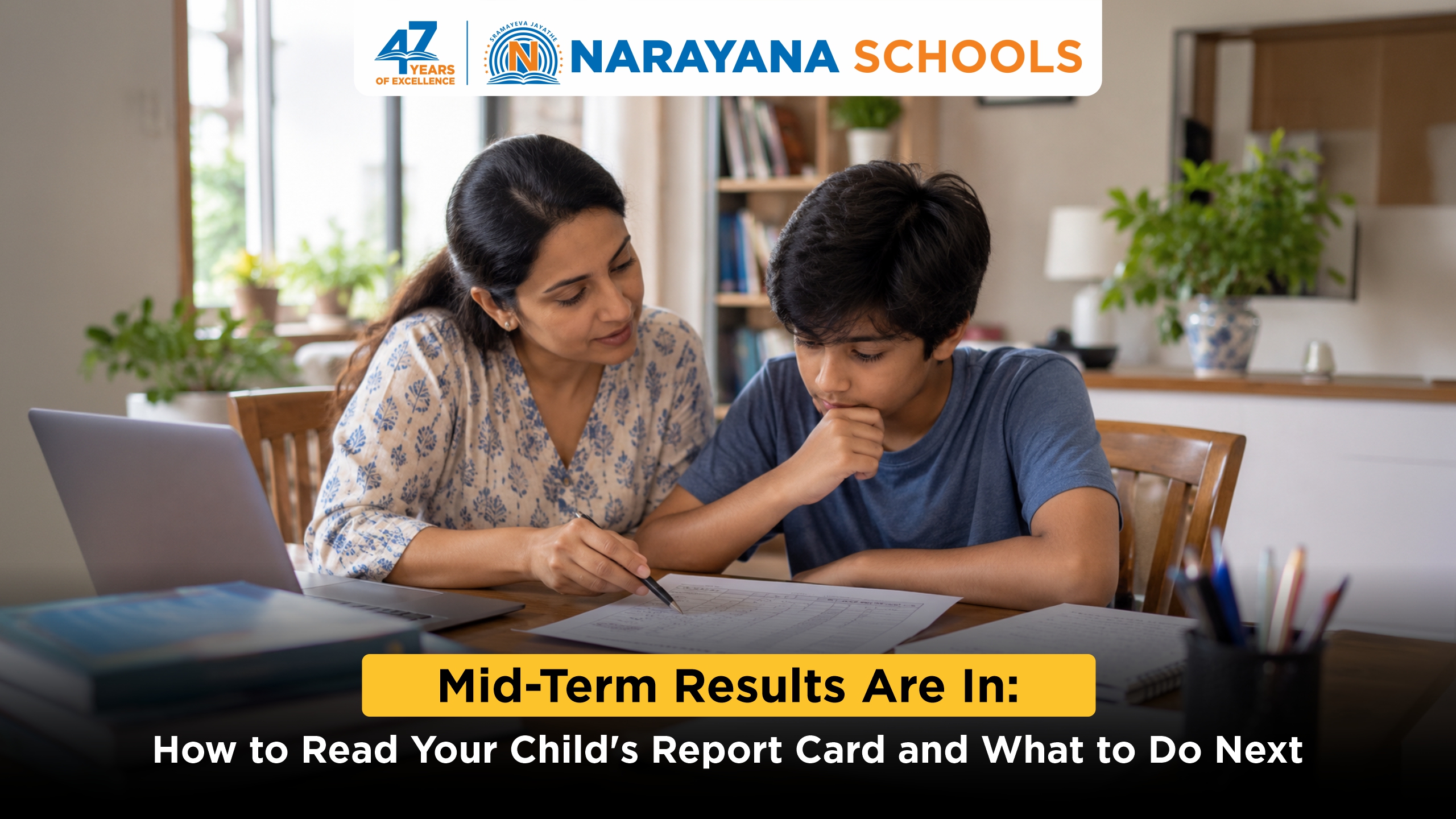
Mid-term results are in, and a report card can bring pride, concern or a mixture of both. But marks tell only part of the story. The real value lies in understanding what a child has learnt, where difficulties remain and what can improve before the next examination. Here are five practical ways parents can interpret school report cards and support progress.
1. Look Beyond the Total Marks
A high overall score can hide gaps in individual subjects, while a lower score may reflect one difficult topic rather than weak understanding across the subject. Compare subject-wise marks, assessment patterns and previous results. Focus on progress, not comparisons with classmates.
2. Read Teacher Comments Carefully
Remarks about participation, attention, homework, communication or classwork provide context that marks cannot. India's PARAKH Holistic Progress Card framework promotes a broader view of learning, including competencies and different aspects of student development.
3. A Parent's Quick Reference: How to Read a School Report Card
A report card is a snapshot of progress, not a complete measure of a child's abilities, potential or future success. Individual results are best understood alongside teacher feedback, classroom performance and the child's learning experience.
4. Find the Reason Behind the Learning Gap
Repeated mistakes may point to unclear concepts, rushed answers, weak revision, difficulty interpreting questions or examination anxiety. Discuss specific examples calmly and ask the child which topics felt challenging. Avoid labelling a child as careless or weak.
5. Turn Results into a Realistic Action Plan
Choose two priority areas rather than trying to fix everything at once. Set short revision sessions, practise similar questions, revisit mistakes and review progress weekly. The Education Endowment Foundation's research guidance on feedback emphasises specific, actionable advice that helps learners improve, rather than comments that simply judge performance.
6. Use the Right Support
- Microschedules: Break learning into manageable daily targets for consistent revision.
- Daily Practice Tests: Reinforce concepts and identify areas needing further practice.
- Weekly Tests: Track progress and assess understanding across topics.
- Personalised Error Analysis: Identify recurring mistakes and address specific learning gaps.
- nLearn: Access concept resources, practice tests and performance reports to support revision and monitor progress.
- Teacher Guidance: Discuss persistent difficulties with teachers and agree on targeted improvement strategies.
At Narayana Schools, combining meaningful assessment, personalised practice and supportive guidance helps students learn from every result, build confidence and move towards fulfilling their dreams, because your dreams are our dreams.
FAQs
- Should a mid-term report card cause concern? Not automatically. It is an opportunity to identify strengths, learning gaps and areas needing support.
- What if marks have dropped suddenly? Review subject-wise performance, recent changes in study habits and teacher feedback before deciding on corrective steps.
- How can parents discuss disappointing results? Begin with listening, recognise effort and agree on specific, achievable improvements without comparisons or punishment.
- How often should progress be reviewed? A brief weekly review can help assess understanding, identify recurring mistakes and adjust the study plan.