
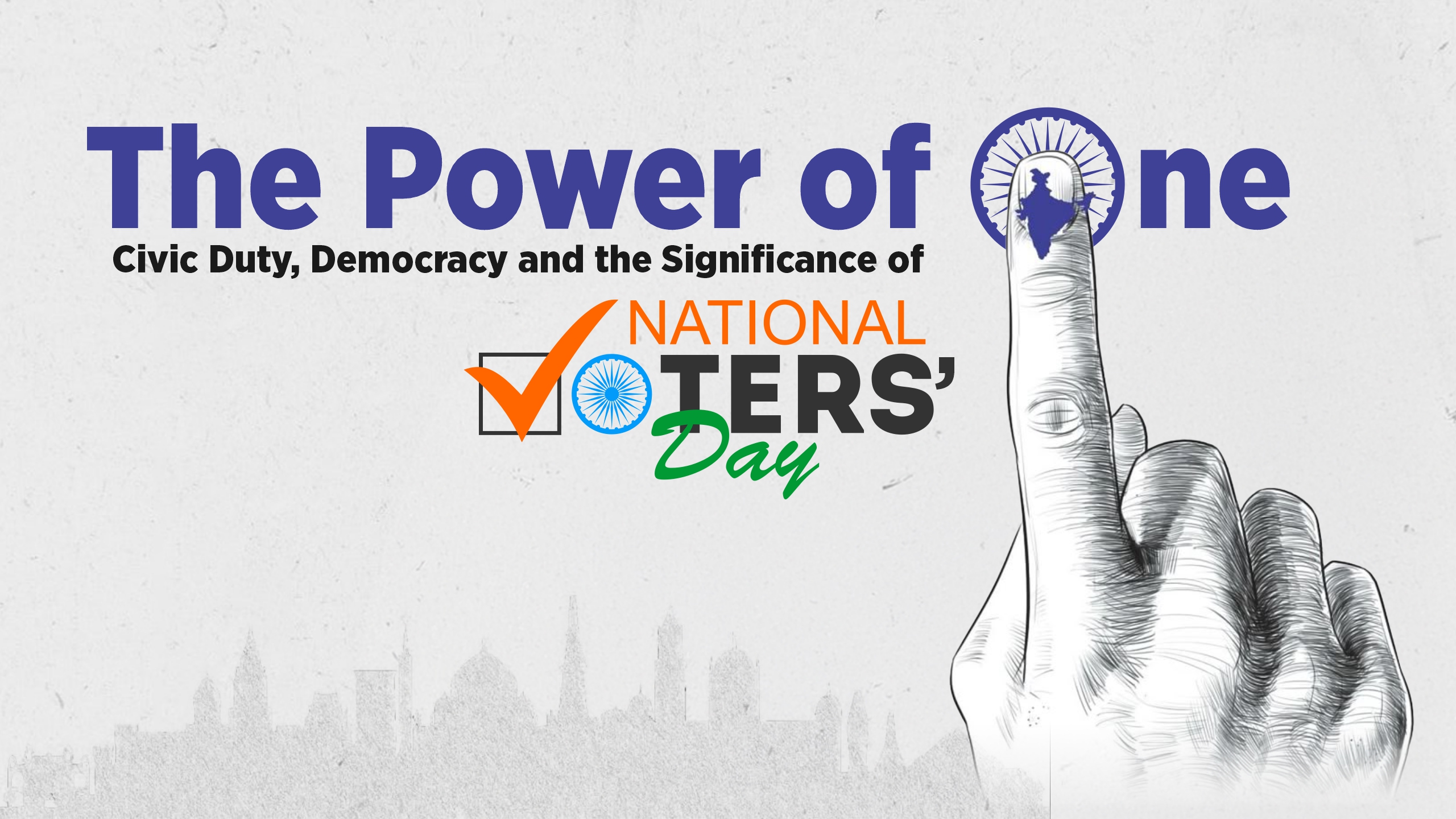
Observed every year on 25 January, National Voters’ Day marks the foundation of the Election Commission of India and serves as a powerful reminder of the value of every single vote. For families across India, this day offers a meaningful opportunity to introduce children to civic responsibility, democratic values in India and the idea that participations, not passivity, shapes the nation’s future.
- Why National Voters’ Day Matters
- National Voters’ Day was first celebrated in 2011 to encourage informed and ethical participation in elections.
- Democratic studies emphasise that early awareness of voting rights strengthens long-term civic engagement.
- Understanding this day helps children see democracy as an active process rather than a distant system.
- The Science Behind Civic Participation
- Research in political psychology shows that individuals exposed to civic discussions early develop stronger social responsibility.
- Studies published in the Journal of Social Psychology link democratic participation with higher community trust and accountability.
- These findings reinforce the importance of civic education for students at home and school.
- One Vote, Collective Impact
- Electoral research confirms that high voter turnout improves policy representation and governance quality.
- Teaching the concept of ‘one person, one vote’ helps children grasp fairness, equality and voice.
- This principle forms the backbone of democracy awareness for children.
- Families as the First Civic Classroom
- Behavioural studies highlight that children mirror attitudes observed at home towards social duties.
- Open conversations about elections, leadership and decision-making build political literacy without pressure.
- Such practices nurture informed thinking rather than blind opinion, supporting responsible citizenship.
- Ethics, Values and Voting
- Voting is not just a right but a moral responsibility rooted in informed choice.
- Social science research shows that ethical reasoning develops when children discuss fairness, justice and consequences.
- National Voters’ Day provides a natural platform to link values with action.
- Preparing Future Voters, Not Just Students
- United Nations Educational, Scientific and Cultural Organization (UNESCO) education frameworks stress that democracies thrive when citizens are critical thinkers.
- Activities such as mock elections or discussing current issues strengthen civic duty in India.
- These experiences prepare young minds to participate thoughtfully when eligible.
- Democracy as a Daily Practice
- Democracy extends beyond election day into respect, dialogue and shared responsibility.
- Sociological research confirms that democratic habits formed early last a lifetime.
- National Voters’ Day reinforces the idea that every voice matters, every choice counts.
National Voters’ Day celebrates the power of one (one vote, one voice and one informed decision), that contributes to a stronger democracy. When children grow up understanding civic duty as meaningful and empowering, democracy becomes not just a system of governance, but a shared way of life.
The Power of One: Civic Duty, Democracy and the Significance of National Voters’ Day
I love how National Voters’ Day serves not only as a reminder for adults but also as an educational opportunity for kids. Teaching them about voting and civic responsibility early on creates a foundation for more engaged and informed citizens in the future.