
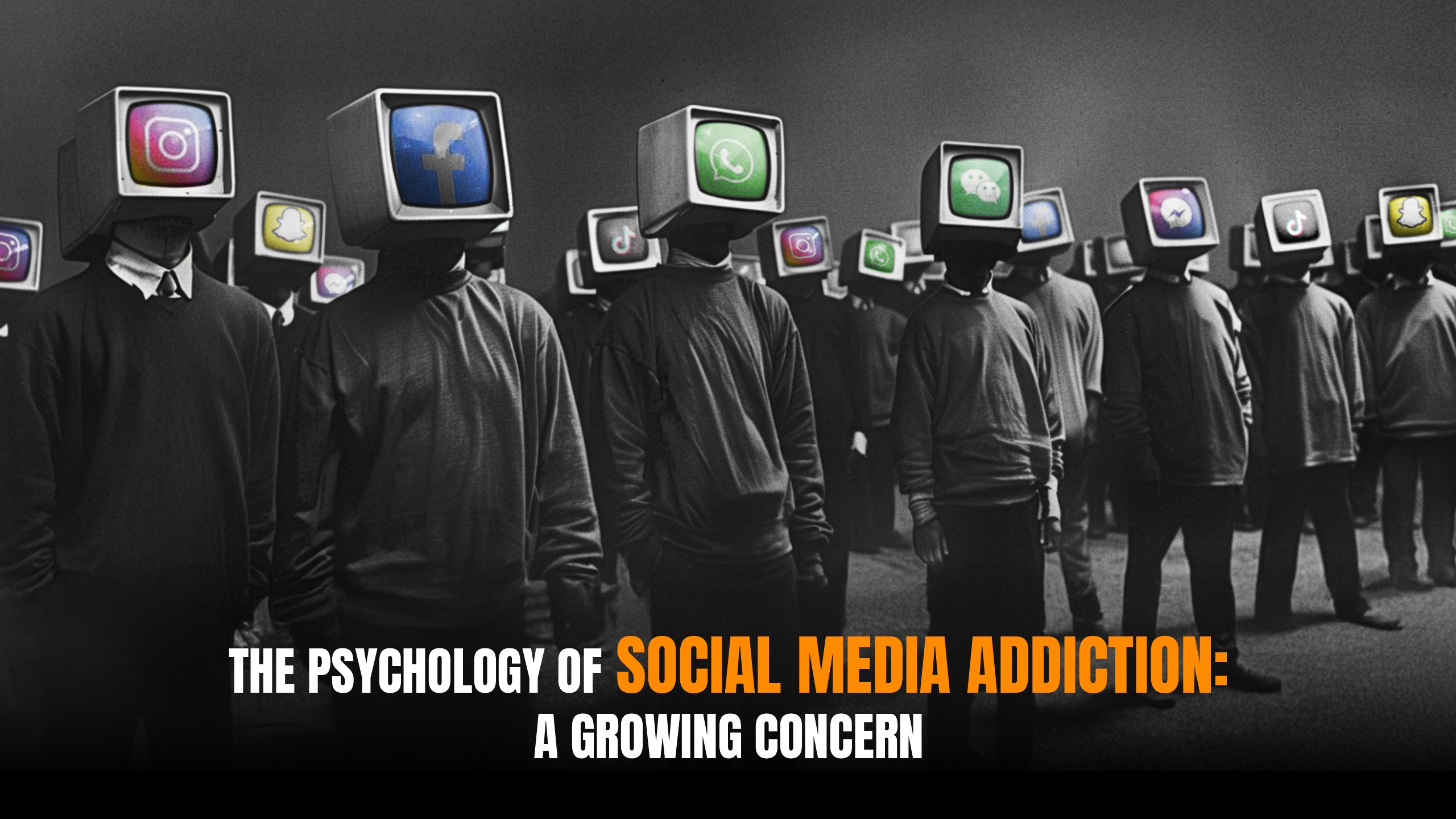
In today’s digital-first world, social media addiction in adolescents is fast becoming a silent epidemic. Platforms meant for connection and creativity now risk becoming sources of stress, insecurity and disruption, especially for school-going children in India.
Understanding the psychological effects of social media and how it shapes growing minds is vital for parents trying to ensure balanced development.
Neurobiological Response and Reward Circuitry
The adolescent brain is still developing, especially in areas related to self-regulation and decision-making. Each like, share and comment on social media triggers a dopamine rush, activating the brain’s reward system. This is the same neurochemical pathway associated with substance addiction. Over time, teens may begin to crave this instant gratification, leading to compulsive social media use.
A study published in JAMA Paediatrics in 2022 found that kids who check social media often may experience changes in how their brains grow, especially in areas that help them manage emotions and control impulses. That is to say, too much social media could affect how well children handle their feelings and make decisions. This rewiring can impact classroom focus, patience, academic performance as well as their individualism.
Social Comparison and Self-Esteem
During adolescence, identity and self-worth are often defined by peer approval. Platforms like Instagram or Snapchat become arenas of social comparison, where filtered highlights of others’ lives can skew a child’s self-image.
A 2023 review in Frontiers in Psychology found that increased social media exposure is directly linked to low self-esteem in teenagers, especially among girls. In India, where academic pressures are already intense, this additional emotional burden can compound stress.
Attention Span, Sleep Disruption and Mental Load
With short-form content dominating platforms, children’s attention spans are shrinking (Numbers). Constant scrolling trains the brain to seek novelty and avoid deep focus, a trend that can undermine classroom learning and concentration.
Moreover, screen time before bed disrupts melatonin production, delaying sleep and increasing mental fatigue. A poor sleep cycle affects memory consolidation, mood stability and cognitive sharpness, which are essential for a child’s overall developmental journey and growth.
Digital Validation vs. Intrinsic Motivation
As children seek validation in the form of likes or comments, their inner motivation to pursue goals may weaken. External affirmation becomes more important than personal growth. Over time, this affects resilience, self-discipline and the ability to persevere without applause.
What Can Parents Do?
- Encourage Tech-Life Balance: Introduce digital detox hours, especially before bedtime and during study sessions. Create a culture where screen-free activities like reading, art, or outdoor play are encouraged and celebrated.
- Build Emotional Literacy: Help children understand that online content is often curated and does not reflect real life. Teaching them to evaluate digital content critically can build emotional resilience.
- Foster Open Communication: A judgement-free space for children to share their digital experiences can strengthen trust. This helps parents intervene early if signs of addiction emerge.
- Model Healthy Behaviour: Children observe and mimic. Demonstrating balanced media usage and prioritising offline relationships sends a powerful message.
- Engage in Shared Activities: Family board games, walks, or weekend outings serve as wholesome replacements for screen time, promoting mental well-being and togetherness.
By recognising the impact of social media on child development, parents can step in as mindful guides rather than passive observers. Managing digital exposure thoughtfully ensures children do not just survive the online world, they thrive in the real one too. At Narayana Schools, our DISHA Mental Well-being Programme conducts regular workshops and counselling sessions are conducted to raise awareness and provide personalised support, empowering students to navigate mental, emotional and digital challenges with resilience and clarity. At Narayana Schools, every initiative is driven by a commitment to cultivate not just academic excellence, but also emotional and social growth, to fulfil every child’s dream, because your dreams are our dreams.
Follow Us for More Educational Insights
Stay updated with the latest tips on education and student development. Follow us on Instagram for inspiring stories, engaging activities, and much more: Thenarayanagroup
Such an important topic—especially in India where academic pressure is high, and now this digital pressure adds a whole new layer. I’d love to see more conversation around how schools and parents can team up to address this.
Good
I am very satisfied with narayana e techno school Chandapura
Teacher s is very understanding and supporting thank you narayana group
They are excellent
This article is really helpful and demonstrate the struggle both child and parents are facing.The stategy given will be very helpful if applied mindfully.
Excellent teaching very good school and campus
It’s eye-opening to consider how closely social media use mirrors substance addiction in terms of its effect on the brain’s reward circuitry. I wonder how schools and parents can work together to encourage healthier digital habits from an early age.
Really important topic, very helpful for every parents
It’s alarming how easily adolescents can slip into social media dependency, especially with their brains still forming. I wonder if incorporating media literacy into school curricula could help young users develop healthier digital habits.
It’s interesting that you highlight the ‘instant gratification’ aspect of social media. It really shows how these platforms are designed to keep us hooked. What kind of solutions do you think could address the root causes of this addiction?
In how many states narayana is there put their name
The comparison between social media and substance addiction really hit home—it’s alarming how dopamine responses can lead to such deep-rooted habits in teens. It would be interesting to explore how schools can integrate digital literacy into the curriculum to address this early.
This is such an important topic, especiallyBlog comment creation since dopamine-driven reward cycles can make social media so irresistible for teens. I’ve noticed that setting clear device-free times at home not only helps kids regulate their screen use but also encourages them to find offline activities they actually enjoy. It would be interesting to see more research on how small daily habits—like scheduled digital detox periods—can help rewire these reward pathways over time.
Understanding how the adolescent brain reacts to social media is crucial—dopamine’s role in creating addictive behavior is eye-opening. It’s not just about limiting screen time but helping teens develop healthier ways to engage with these platforms.
The connection between social media use and mental health is becoming more evident, especially in adolescents. As parents and educators, it’s essential that we help young people understand how their brain reacts to these platforms and encourage healthier online habits.