
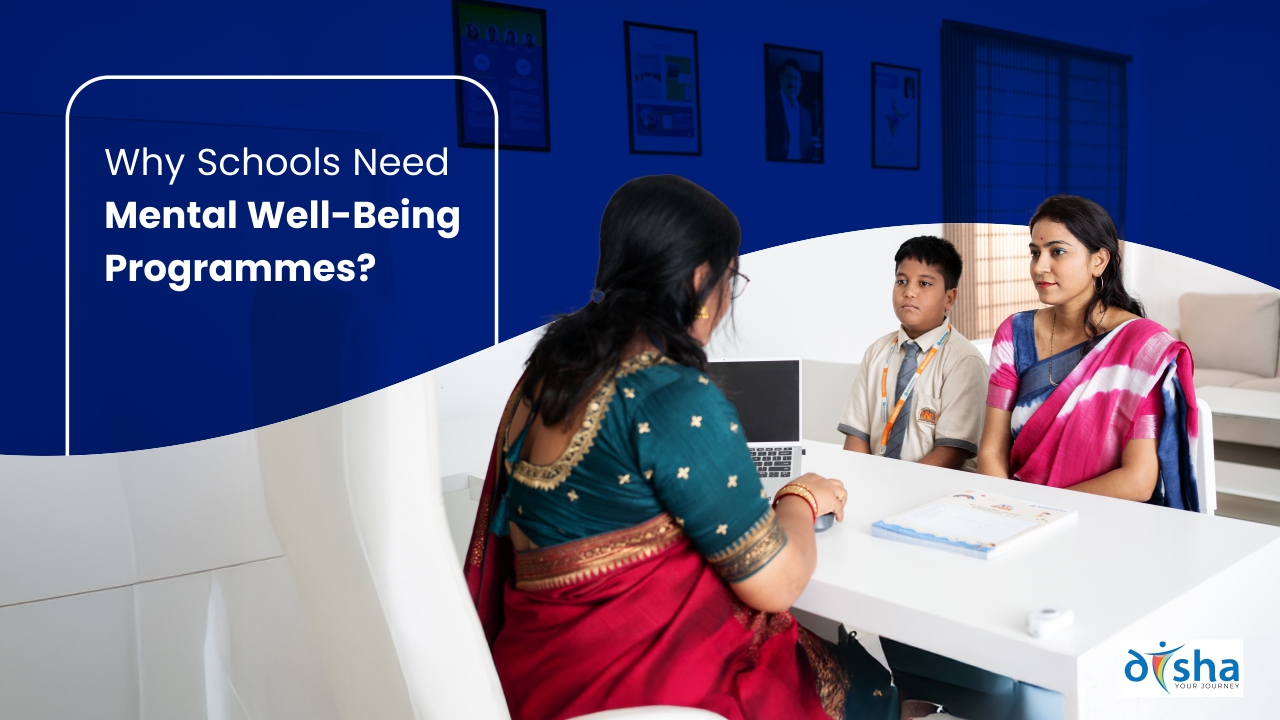
Most parents want their children to excel in academics, be confident, and grow into happy adults. Yet, many see their children struggling with exam pressure, social challenges, or changes in behaviour. Few parents want to understand what is troubling their child, but still feel unsure how to help. According to UNICEF, one in seven adolescents in India experiences mental health issues, with academic pressure being a leading contributor.
In many homes, talking about mental health is still considered unnecessary or even uncomfortable. Some parents believe that children should “toughen up” or that these issues will fade with time. However, the World Health Organisation reports that half of all mental health conditions begin before the age of 14, yet most cases involving school-aged children remain undetected. Ignoring these early signs of distress can make things harder for children, both in school and in life.
Through this blog, let’s explore the challenges faced by students, the role of schools and parents in a child’s emotional journey, and why mental health awareness and support programmes are so important.
The Growing Challenge for Students
Children today face much more than academic pressure. They often deal with:
- Academic and Social expectations from family and peers
- Competition in every field
- Exposure to social media, constant comparison and over-dependence on digital devices
- Difficulty forming healthy friendships
- Trouble managing emotions such as anger or sadness
For some children, these pressures result in stress, anxiety, low confidence, or withdrawal from friends and activities. Many do not share their worries because they fear being judged. This is where a mental well-being programme for schools can make a real difference.
Why Schools Need Mental Wellness Programmes
Schools are where children spend most of their time. Teachers, peers, and the overall environment influence their confidence, resilience, and growth. A school mental health programme ensures that support is available right where it’s needed most.
Such programmes help by:
- Identifying issues early, before they escalate
- Offering a safe, non-judgmental space for students to talk
- Providing tools to manage stress and emotions
- Guiding parents and teachers to support children better
When mental health support is part of the school culture, students feel more comfortable seeking help without fear of being singled out.
Parents’ Role in a Child’s Emotional Journey
While schools can offer structured mental health support, parents play the most important role in their child’s emotional development. Schools and parents working together can regulate students’ emotions and address their concerns more effectively.
Schools and parents can work closely to:
- Share progress and concerns
- Suggest ways to continue support at home
- Encourage open communication between parent and child
- Reduce the stigma around mental health in the family
When parents and schools collaborate, children feel safe and understood and are willing to share their feelings.
Narayana Schools’ Approach Towards Mental Health
Narayana Schools recognised the need for mental wellness programmes early and launched DISHA, our dedicated Mental Well-Being Programme, in 2017. The initiative began after our educators and counsellors observed worrying patterns among students and conducted a pilot study to understand the severity of the situation.
The name DISHA, meaning “direction,” reflects our role in guiding students through academic stress, social changes, and everyday challenges, helping them grow in confidence.
How DISHA Works
Our mental health awareness and support programme addresses social, emotional, and behavioural challenges that can affect academic performance and personal growth.
To make support approachable, we have over 100 trained psychologists who are referred to as ‘development coaches.’ This removes the stigma linked to counselling and encourages students to seek help.
DISHA offers:
- Group sessions to help students share experiences and learn together
- One-on-one sessions for personalised guidance
- Workshops for parents to better understand their child’s needs
- Teacher training to spot early warning signs in the classroom
Common concerns addressed include low self-confidence, difficulty adjusting to new environments, family issues, and peer relationship challenges.
Why is DISHA Different?
At Narayana Schools, DISHA is integrated into our school culture. It is a core part of how we care for students.
DISHA stands out because it provides:
- Specially trained Development Coaches who understand the school environment
- Sessions that fit into the academic timetable without disruption
- Proactive engagement instead of waiting for problems to arise
- Strong collaboration between coaches, teachers, and parents
This ensures that every child, whether facing a serious challenge or just needing someone to listen, has access to help.
The Impact of DISHA
Since its launch, DISHA has expanded from a few campuses to Narayana schools and colleges across 23 states. The programme has:
- Reached over three lakh students
- Conducted more than 27,000 individual sessions
- Provided critical help to over 2,000 high-risk cases
- Organised over 250 sessions for educating parents about mental well-being
These numbers highlight not only the scale of our mental wellbeing programme but also the trust parents and students place in it.
The Outcome We Aim For
At Narayana Schools, our aim is to ensure the overall development of every student. We focus on physical well-being through age-appropriate sports initiatives with nSports, mental well-being through DISHA, emotional balance through Yoga Veekshan, and personality development through our soft skills programmes.
Through such initiatives, Narayana Schools is building an environment where mental, physical, and emotional well-being is valued as much as academic achievement, because overall development is the foundation for fulfilling dreams, and your dreams are our dreams.
A very relevant topic, hope it helps children overcome their anxieties.