
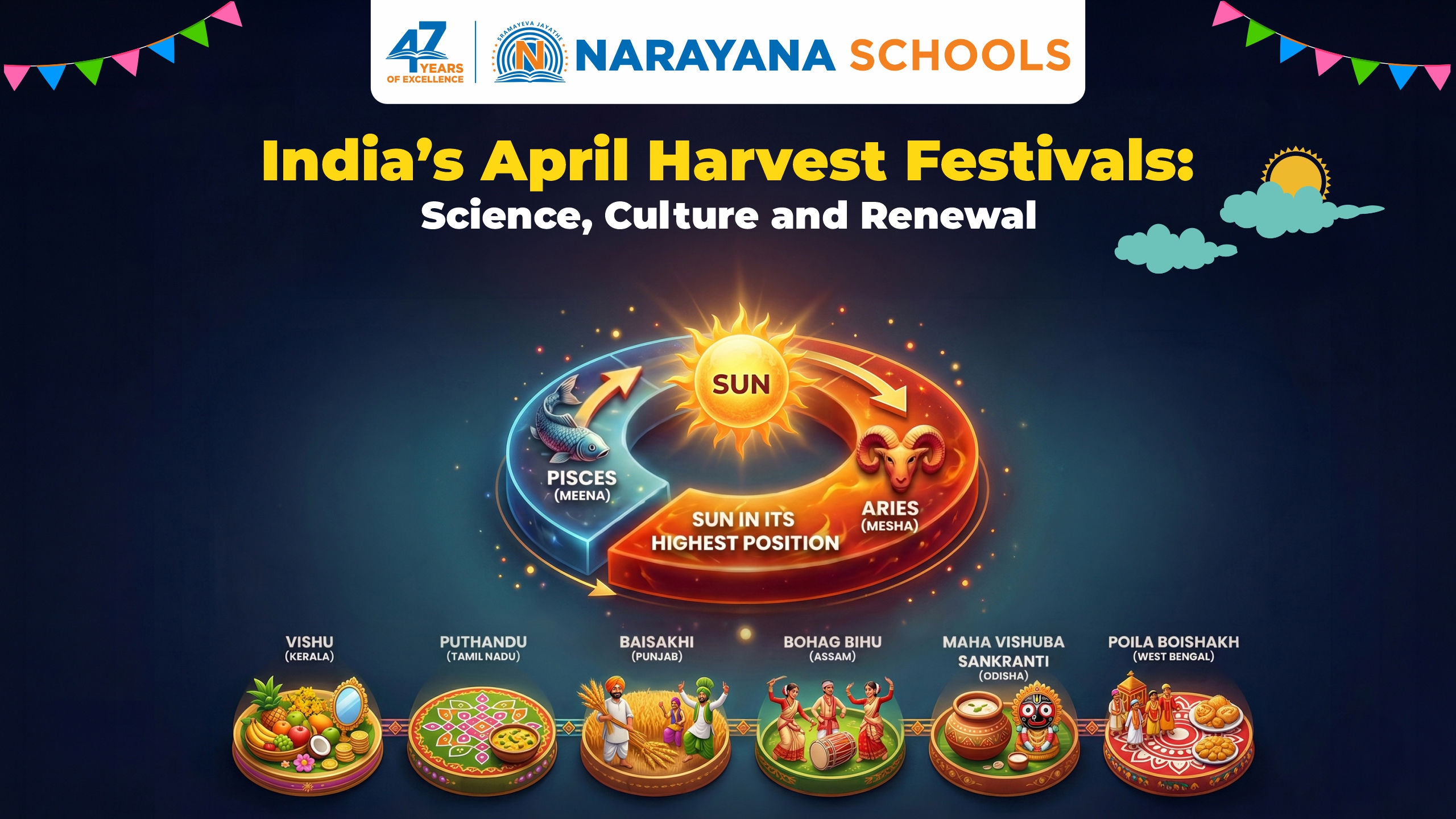
Across India, mid-April marks a vibrant cluster of festivals, Vishu, Baisakhi, Poila Boishakh, Bohag Bihu, Puthandu and Maha Vishuba Sankranti celebrated as regional New Years. In 2026, most of these festivals will be observed on or around 14th–15th April. While each state celebrates in its own unique way, with different names, rituals and cultural expressions, the essence remains the same, renewal, gratitude, prosperity and new beginnings.
- Why are these festivals celebrated?
- These festivals mark the solar New Year, when the Sun transitions into Aries (Mesha Sankranti), a significant event in the Indian solar calendar.
- Historically, agrarian communities celebrated this period as the harvest season, expressing gratitude for crops and praying for abundance.
- Cultural traditions evolved to reinforce values of renewal, discipline and community bonding.
- The science behind celebrating it in April
- Astronomically, this period aligns with the vernal equinox cycle, when day and night durations stabilise, supporting agricultural cycles.
- Studies in environmental science show that seasonal transitions influence crop cycles, metabolism and lifestyle patterns.
- The shift towards warmer temperatures makes it ideal for dietary changes, detoxification and physical activity.
- State-wise names and significance
| Punjab | Baisakhi | Celebrates harvest and holds religious significance in Sikh tradition. |
| Kerala | Vishu | Marks prosperity and new beginnings with the ritual of Vishukkani. |
| West Bengal | Poila Boishakh | Bengali New Year symbolising financial and cultural renewal. |
| Assam | Bohag Bihu/Rongali Bihu | Celebrates fertility, agriculture and the onset of spring. |
| Tamil Nadu | Puthandu | Tamil New Year focusing on prosperity and auspicious beginnings. |
| Odisha | Maha Vishuba Sankranti | Marks solar transition and seasonal balance. |
| Arunachal Pradesh | Mopin (around 5th April)/Sangken (14th-16th April) | Agricultural festival seeking prosperity, fertility and protection from evil. (Mopin) Celebrates New Year with water rituals symbolising purification, renewal and positivity. (Sangken) |
| Meghalaya | Shad Suk Mynsiem (April) | Thanksgiving dance festival celebrating harvest, peace and community harmony. (Major Khasi festival) |
| Manipur | Cheiraoba/Sajibu Nongma Panba (late March/early April) | Traditional New Year marking renewal, spiritual cleansing and family unity. |
| Tripura | Garia Puja | Worship of deity Garia for a good harvest, prosperity, livestock well-being and community happiness. |
| Tripura/Mizoram (Chakma Community) | Biju Festival | Marks New Year and seasonal change with rituals, water celebrations and cultural performances. |
- Cultural food and celebrations
- Seasonal foods like jaggery, rice, coconut and fresh vegetables dominate festive meals, aligning with nutritional needs.
- Traditional dishes such as payasam, pitha, sattu and festive thalis reflect regional diversity.
- Celebrations include dance, music, temple visits, community feasts and rituals, strengthening social cohesion.
- Scientific and lifestyle relevance
- Nutrition science suggests seasonal foods during this period support digestion, immunity and energy balance.
- Cultural routines like early rising, cleaning homes and structured rituals reinforce discipline and mental well-being.
- Exposure to traditions enhances cognitive development, cultural identity and emotional grounding in children.
- Making festivals meaningful for children
- Encourage participation in traditions to build cultural awareness and values.
- Introduce the scientific reasoning behind rituals to foster curiosity and logical thinking.
- Balance celebrations with learning to create holistic development experiences.
These festivals are more than celebrations, they represent a harmonious blend of science, culture and life skills. By understanding their deeper significance, families can transform them into opportunities for learning, connection and growth, ensuring that traditions continue to inspire future generations in meaningful ways.
It’s fascinating how these festivals, while celebrated differently across India, share the same essence of renewal and gratitude. The connection to the solar calendar really adds a deeper understanding of why these traditions have endured for so long. It’s a great reminder of how culture and nature are so closely intertwined.
It’s fascinating to see how these harvest festivals, celebrated across different regions of India, are deeply rooted in both agricultural traditions and the solar calendar. The idea that they mark the transition into Aries and symbolize renewal really highlights the connection between nature, time, and culture. Learning about their historical significance adds a richer layer to understanding how communities have long honored the cycles of the earth and looked forward to new beginnings.