
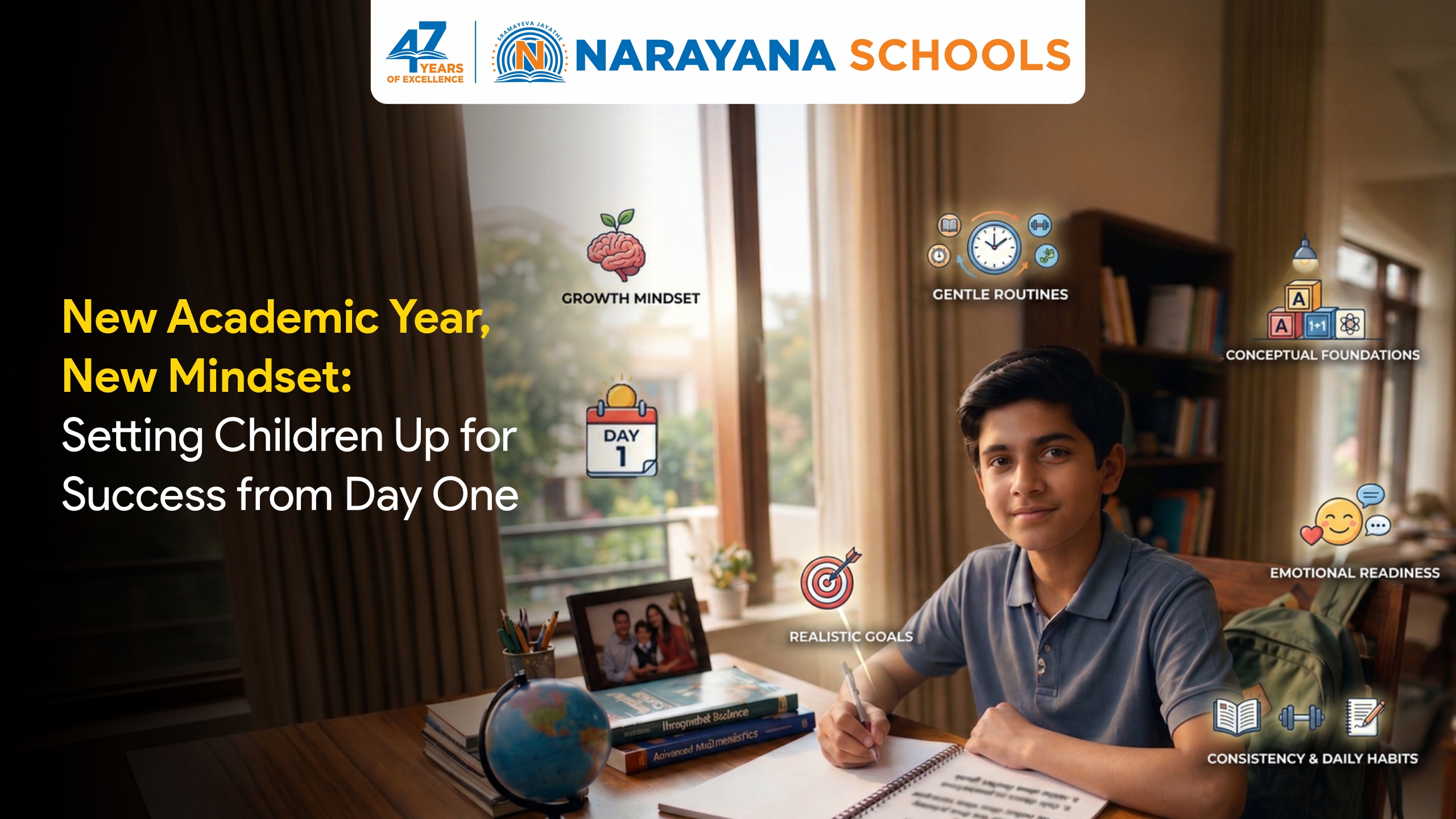
The summer holidays are more than just a break, they are a crucial window to reset habits, build the right mindset and prepare children for a strong educational start. Research in education and child psychology shows that how this transition period is utilised can significantly influence academic performance, motivation and emotional well-being in the coming year.
- The science of fresh starts
- Behavioural science describes the ‘fresh start effect’, where new beginnings increase motivation and goal commitment.
- Studies indicate that structured planning before the term begins improves consistency and long-term outcomes.
- Using the holiday period to gradually introduce routines helps children adapt faster once school reopens.
- Nurturing a growth oriented mindset during the break
- Research by Carol Dweck highlights that children who believe they can improve their abilities through effort and practice tend to perform better over time.
- Encouraging reflection on the previous academic year helps identify lessons learned rather than focusing only on results.
- Exposure to reading, puzzles and exploratory learning during holidays builds curiosity and confidence.
- Building gentle and flexible routines
- Cognitive studies show that maintaining light but consistent daily structures improves focus and readiness.
- Introducing a balanced routine with reading time, light revision, physical activity and hobbies supports holistic development.
- Gradually aligning sleep schedules closer to school timings ensures a smoother transition.
- Strengthening conceptual foundations early
- Revisiting key concepts from the previous class prevents learning gaps from carrying forward.
- Educational research supports spaced revision as an effective way to improve retention.
- Engaging with subjects through real-life applications and activities strengthens understanding beyond textbooks.
- Supporting emotional readiness before school reopens
- Holidays are ideal for reducing academic stress and rebuilding emotional balance.
- Research in child psychology shows that open conversations about expectations for the new year improve adaptability.
- Setting realistic and measurable goals
- The holiday period is ideal for setting simple, achievable academic and personal goals.
- Studies show that writing down goals improves commitment and clarity.
- Keeping goals flexible allows children to adapt as the academic year progresses.
- Encouraging consistency through small daily habits
- Developing small habits like daily reading or problem-solving builds long-term discipline.
- Research highlights that consistent, low-intensity effort is more effective than last-minute preparation.
- Reinforcing routine behaviours during holidays makes it easier to sustain them during the school year.
Summer holidays are not merely a pause from learning but a preparation phase for future success. When used thoughtfully, this time helps children return to school with clarity, confidence and a positive mindset. By focusing on gradual routines, emotional readiness and consistent habits, the new academic year begins on a strong and balanced note, bringing children closer to achieving their dreams with purpose and confidence.
This really resonates with me as a parent planning for the upcoming school year. The idea of using the summer break not just for relaxation, but as a strategic time to rebuild routines and mindset is so valuable. It’s easy to fall into the trap of letting kids coast during the holidays, but the fresh start effect really highlights how important it is to keep them engaged and motivated. Thanks for sharing these insights!
It’s not just about taking a break during the summer, but setting up the right habits for the school year ahead. Planning routines and cultivating a growth mindset during the holidays can really make a difference in how the year unfolds.
As a teacher, I think the part about strengthening conceptual foundations is crucial. It’s often overlooked but can prevent so many learning issues later.