
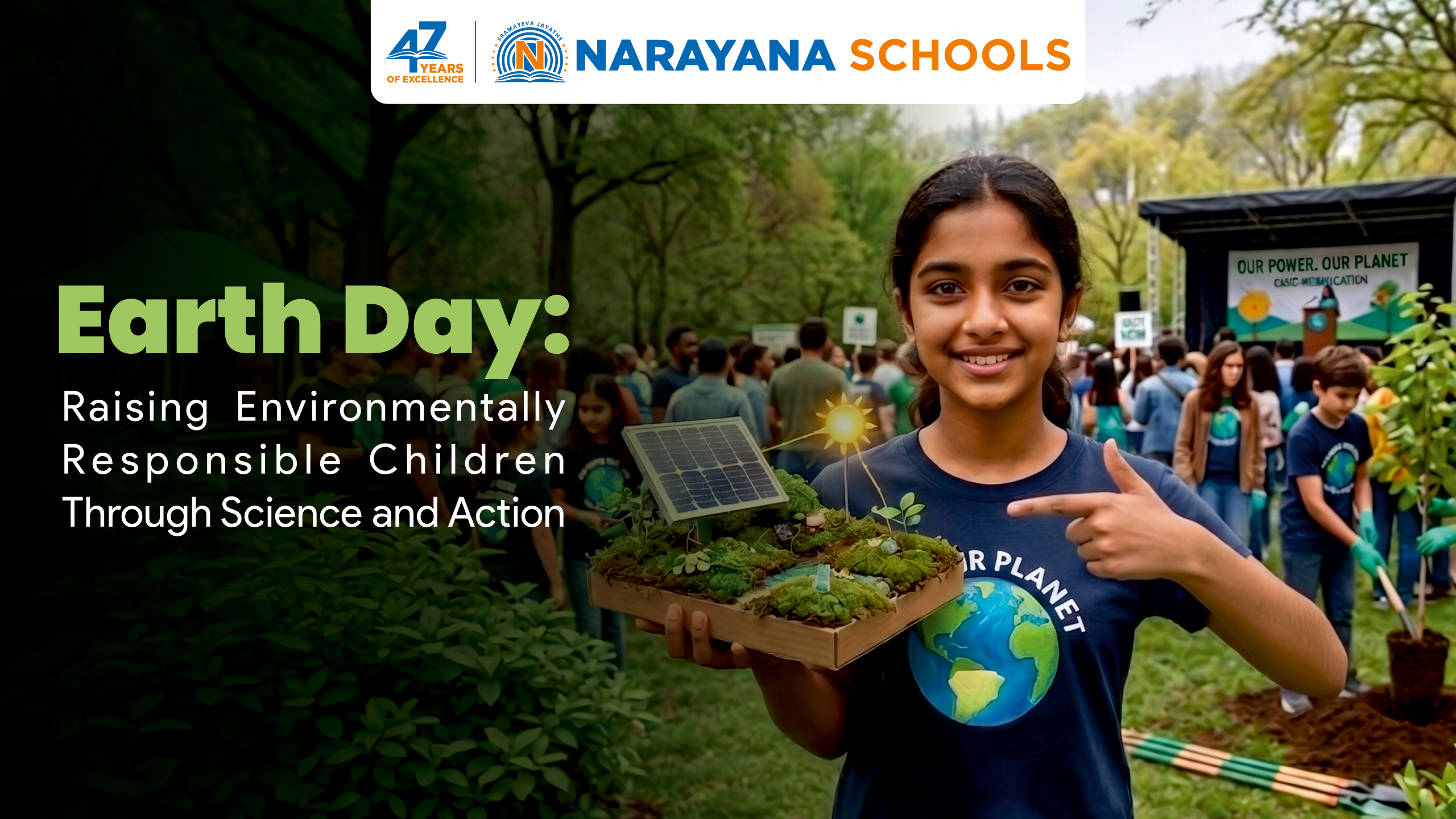
Observed annually on 22nd April, Earth Day is a global movement rooted in environmental awareness, sustainability and collective responsibility. For families, it presents an opportunity to nurture environmentally conscious habits in children, grounded in both science and everyday practice.
- Why Earth Day matters today?
- Environmental studies highlight rising concerns such as climate change, biodiversity loss and pollution.
- According to research by the United Nations Environment Programme (UNEP), early environmental education significantly influences lifelong sustainable behaviour.
- Encouraging awareness in children fosters responsibility, empathy towards nature and informed decision-making.
- Why 22nd April was chosen?
- Earth Day originated in 1970, aligning with the spring season in the Northern Hemisphere, a time symbolising renewal and ecological balance.
- Academic calendars also influenced the date, ensuring maximum student participation and awareness-building.
- The timing reflects seasonal transitions, reinforcing the connection between human activity and natural cycles.
- The science behind environmental awareness
- Climate science confirms that greenhouse gas emissions are directly linked to rising global temperatures.
- Studies in ecology show that small behavioural changes, such as reducing waste and conserving energy, collectively create measurable environmental impact.
- Neuroscience research indicates that experiential learning, such as gardening or nature observation improves retention and environmental sensitivity in children.
- Key areas families should focus on
- Waste Management: Segregation, recycling and reducing single-use plastics.
- Energy Conservation: Efficient use of electricity and promotion of renewable sources.
- Water Preservation: Mindful consumption and awareness of water scarcity.
- Sustainable Consumption: Choosing eco-friendly products and reducing overconsumption.
- Ensuring the right environmental choices
- Research-based approaches suggest focusing on consistent, small actions rather than occasional large efforts.
- Verified practices, such as composting, tree plantation and reduced plastic usage have proven environmental benefits.
- Avoiding misinformation is crucial, relying on credible environmental studies and scientific recommendations ensures meaningful impact.
- Practical and doable actions for children
- Participating in simple activities like planting saplings or maintaining small home gardens.
- Encouraging observation-based learning, such as tracking seasonal changes or local biodiversity.
- Promoting mindful habits like switching off unused appliances and reducing waste generation.
Earth Day is not merely a symbolic celebration but a scientifically grounded reminder of the urgent need for sustainable living. When environmental awareness is combined with practical action and informed choices, children develop into responsible global citizens. By integrating sustainability into daily routines, families can transform awareness into impact, ensuring a healthier planet and a more conscious future generation.
At Narayana Schools, an impactful e-waste awareness initiative brought together students, parents and communities to promote responsible disposal and recycling. Through hands-on activities, creative projects and outreach programmes, students learned to view e-waste as a resource rather than waste. The campaign led to the safe collection of over 100 kilograms of e-waste, reflecting the power of collective action. At a time when environmental responsibility is essential and not optional, we believe such efforts inspire a shared vision of a cleaner, greener future, one that is built through awareness, action and collective dream for a greener world, because at Narayana Schools, your dreams are our dreams.
It’s inspiring to see how Earth Day can be leveraged not just as a one-time awareness event, but as a foundation for lifelong environmental responsibility. The emphasis on grounding these lessons in science and action aligns perfectly with what research shows—early exposure to sustainability concepts truly shapes mindful behavior. I especially appreciate the connection to UNEP’s findings, which reinforce why it’s so crucial for families and schools to work together in fostering eco-conscious habits from a young age.
The role of science in fostering environmental responsibility is often overlooked. This blog post beautifully illustrates how educating children about our planet can inspire action, not just knowledge.
Good madam . childrens can learn the day them in holidays by this they can gain so knowledge .
Good