
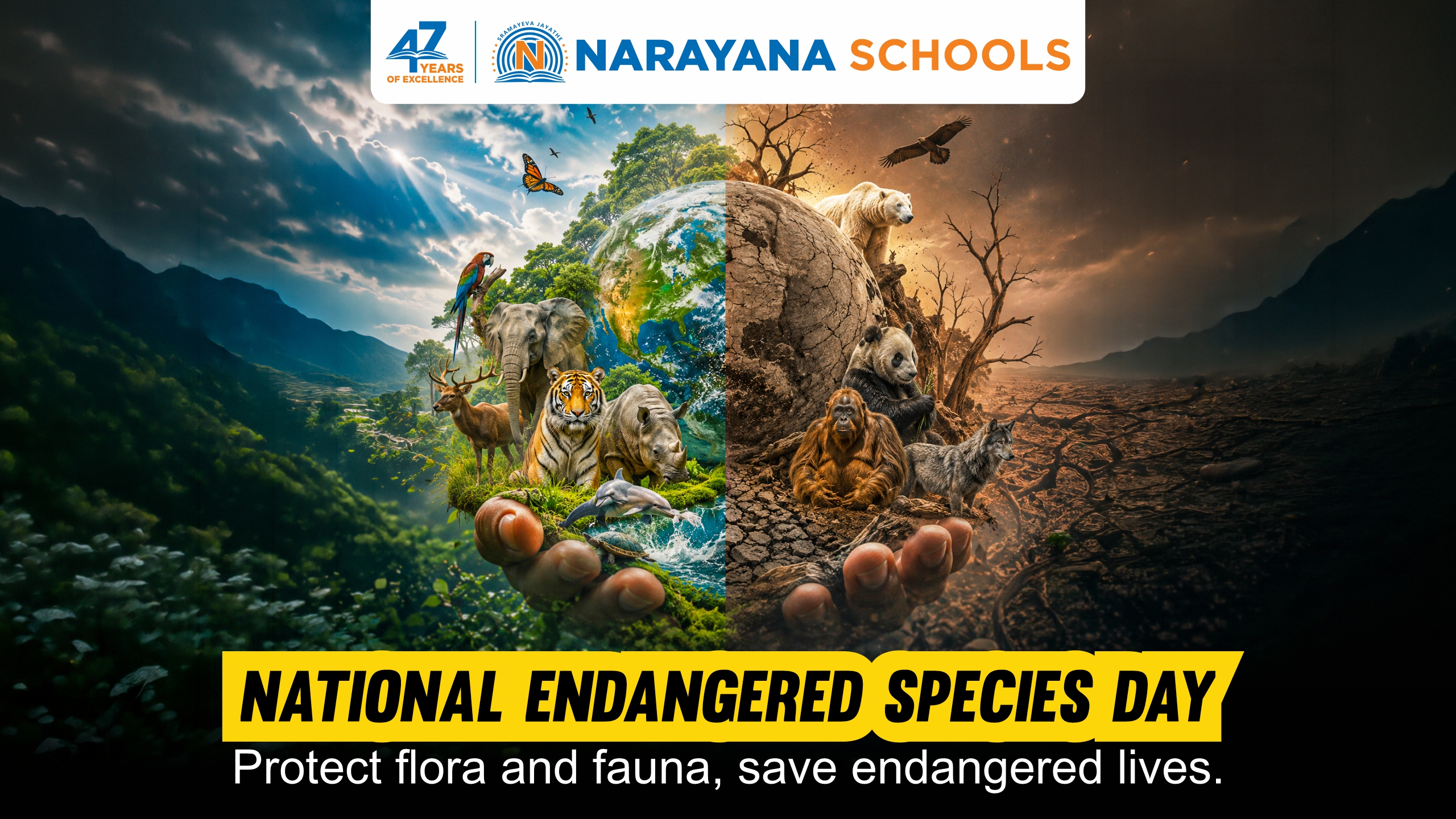
National Endangered Species Day, observed every year on the third Friday of May, is more than a date, it is a call for awareness, responsibility and action. First initiated in the United States, this observance has today evolved into a global movement, including India, where biodiversity conservation is both a necessity and a responsibility. Importantly, it is not limited to animals alone, the day highlights the urgent need to protect both flora and fauna, recognising that plants and animals together form the delicate web of life that sustains ecosystems and human survival.
- Where it began and how it evolved?
- The day was co-founded in 2006 by the Endangered Species Coalition and David Robinson.
- It began in the United States as a national awareness campaign but soon expanded globally due to rising biodiversity concerns.
- Robinson described it as a “worldwide day of action to rescue species and celebrate conservation triumphs”.
- David Robinson, a seasoned writer, editor and conservation advocate, served as the Founding Director of National Endangered Species Day from 2005 to 2020. With a background in communications and public outreach, he played a pivotal role in shaping the vision of the day, ensuring it became a credible, global platform for protecting both flora and fauna. His qualifications in journalism and leadership gave him the ability to mobilise schools, libraries and conservation groups worldwide, making the observance a truly international movement.
- Why this day matters scientifically?
- The International Union for Conservation of Nature Red List is the world’s most authoritative database on species survival, assessing over 1,70,000 species.
- Current estimates suggest that a significant proportion of species face extinction due to habitat loss, climate change and human activity.
- Biodiversity loss disrupts ecosystems, affecting food chains, climate stability and human survival.
- How it reached India and how it is observed?
- India adopted the observance through environmental education, policy awareness and global conservation alignment.
- Schools, NGOs and institutions conduct eco-club activities, awareness drives, nature walks and conservation campaigns.
- It aligns with India’s conservation framework under the Wildlife Protection Act and national biodiversity goals.
4. Theme for 2026
- While global campaigns often highlight wildlife recovery and conservation success, recent themes such as Celebrate Saving Species emphasise positive environmental action and restoration.
5. IUCN Red List: What it reveals?
- Species are classified into categories such as Vulnerable, Endangered and Critically Endangered based on extinction risk.
- Scientific criteria include population decline, geographic range and survival probability.
- This data guides global conservation policies and national action plans.
- Endangered Flora and Fauna in India
| S.No. | Species Name | Scientific Name | IUCN Status (2026) | Primary Habitat / Region | Major Threats | Conservation Efforts | ||
| 1 | Bengal Tiger | Panthera tigris tigris | Endangered | Sundarbans, MP, Assam, Uttarakhand | Poaching, habitat fragmentation | Project Tiger | ||
| 2 | Asian Elephant | Elephas maximus indicus | Endangered | Assam, Kerala, Karnataka, Odisha | Human-elephant conflict, deforestation | Project Elephant | ||
| 3 | Lion-Tailed Macaque | Macaca silenus | Endangered | Western Ghats | Deforestation, habitat isolation | Nilgiri Biosphere Reserve | ||
| 4 | Indian Rhinoceros | Rhinoceros unicornis | Vulnerable (recovering) | Assam (Kaziranga, Manas) | Poaching, floods | Rhino Vision 2020 | ||
| 5 | Gharial | Gavialis gangeticus | Critically Endangered | Chambal, Ganga, Mahanadi rivers | River pollution, sand mining | Gharial Breeding Centres | ||
| 6 | Great Indian Bustard | Ardeotis nigriceps | Critically Endangered | Rajasthan, Gujarat | Power lines, habitat loss | Desert National Park program | ||
| 7 | Gangetic River Dolphin | Platanista gangetica | Endangered | Ganga, Brahmaputra | Water pollution, fishing nets | National Aquatic Animal plan | ||
| 8 | Himalayan Brown Bear | Ursus arctos isabellinus | Endangered | J&K, Himachal Pradesh | Climate change, poaching | Wildlife Institute monitoring | ||
| 9 | Snow Leopard | Panthera uncia | Vulnerable | Ladakh, Himachal Pradesh, Uttarakhand | Habitat loss, retaliatory killings | Project Snow Leopard | ||
| 10 | King Cobra | Ophiophagus hannah | Vulnerable | Western Ghats, NE India | Deforestation, illegal trade | Awareness programmes | ||
| 11 | Red Sandalwood | Pterocarpus santalinus | Endangered | Andhra Pradesh, Eastern Ghats | Illegal logging, overharvesting | Protected under Convention on International Trade in Endangered Species of Wild Fauna and Flora (CITES), forest patrols | ||
| 12 | Blue Vanda Orchid | Vanda coerulea | Endangered | Northeast India | Over collection, habitat loss | Orchid conservation programs | ||
| 13 | Indian Wild Mango | Mangifera indica var. sylvatica | Endangered | Western Ghats | Deforestation, habitat fragmentation | Botanical garden conservation | ||
| 14 | Malabar Mahogany |
|
Endangered | Kerala, Western Ghats | Logging, habitat loss | Plantation and forest protection | ||
| 15 | Cycas beddomei (Beddome’s Cycad) | Cycas beddomei | Endangered | Andhra Pradesh | Overharvesting, habitat degradation |
|
7. Why this matters for children and future generations?
- India holds nearly 8% of global biodiversity.
- This makes India one of the 17 officially recognised megadiverse countries, with four global biodiversity hotspots located within its borders, and thus making conservation education essential.
- Research shows early environmental awareness fosters long-term responsible behaviour.
- Small actions like reducing waste, respecting nature, supporting conservation, etc., can create lasting impact.
National Endangered Species Day is not merely about endangered animals. It is about safeguarding the balance of life itself. For parents, it offers an opportunity to nurture awareness, scientific thinking and responsibility in children, because protecting biodiversity today ensures a sustainable tomorrow and every small step contributes to a larger environmental legacy.
Admiring the hard work you put into your website and in depth information you offer. It’s awesome to come across a blog every once in a while that isn’t the same outdated rehashed material. Great read! I’ve saved your site and I’m adding your RSS feeds to my Google account.